When Parents Are More Stressed Than Kids About School (And How We Can Help)
Last week, I watched a mom literally shake during our parent conference. Her daughter Sofia was sitting right there, calm as could be, coloring while we talked about her progress in math. But this mama? Her hands were trembling as she flipped through Sofia's work samples.
"I just don't know how to help her," she whispered. "I feel like I'm failing her every day."
Meanwhile, Sofia looked up and said, "Mami, I'm getting better at fractions. Mrs. Santos showed me the pizza trick, remember?"
That's when it hit me. The kid was fine. The parent was drowning.
We See This More Than We Talk About It
After 22 years in the classroom, I can spot a stressed parent from across the cafeteria during Back to School Night. They're the ones taking notes on everything, asking if they should hire a tutor in September, and apologizing for things that aren't even problems.
Don't get me wrong. I love involved parents. But there's a difference between being supportive and being so anxious that you're making everyone else nervous too.
I see it especially here in Florida with all our testing pressures. Parents hear "FAST scores" and immediately start spiraling about summer school, retention, and college admissions. Never mind that we're talking about a third grader who just learned to tie their shoes.
The Homework Battle Zone
Carlos always laughs when I tell him about the homework drama I hear about from parents. "You assign 20 minutes of math practice," he says, "and somehow it turns into a two-hour family fight?"
Exactly.
Here's what I've learned: when homework becomes a nightly battle, it's usually because the parent is more invested in perfection than the child is. The kid makes a mistake, the parent swoops in to fix it, the kid gets frustrated, and suddenly everyone's crying over long division.
I had one dad tell me he was staying up until midnight redoing his son's science project because "it had to look good." Meanwhile, his son had moved on and was perfectly happy with his original volcano that looked more like a lumpy meatball.
The Comparison Trap
Social media has made parent stress so much worse. I can't tell you how many times I've had parents ask me, "But is Marcus reading at the same level as Sarah's daughter?" or "Should Elena be doing algebra like her cousin in California?"
Ay, por favor. Your kid is not Sarah's daughter. Your kid is not the cousin in California. Your kid is exactly who they're supposed to be right now.
I remember when my own Daniela was in elementary school, I fell into this trap too. I was so worried about her handwriting compared to her classmates that I bought every workbook in Target. You know what helped her handwriting? Time. And growing. And not having a stressed-out mama hovering over every letter.
What We Can Do as Teachers
We have more power than we realize to calm parent anxiety. Here are the strategies that work in my classroom:
Start with the positive. Always. Even if we need to discuss concerns, I begin every conversation with something the child is doing well. "Let me tell you what I love about how Marcus approaches math problems..."
Be specific about next steps. Vague advice like "read more at home" just creates more anxiety. Instead, I say things like, "Try reading together for 15 minutes before bed. Any book Sofia chooses is perfect."
Normalize the struggle. I tell parents all the time, "You know, most kids his age are working on this exact same thing." It's amazing how much relief that brings.
Share your own stories. When appropriate, I mention my early teaching mistakes or my own kids' challenges. It reminds parents that we're all figuring this out together.
The Magic Words Every Parent Needs to Hear
"Your child is exactly where they need to be."
I say this at least once during every parent conference, and I watch shoulders relax every single time. Because it's true. Kids develop at their own pace, and our job is to meet them where they are, not where we think they should be.
I also love telling parents, "You're doing better than you think you are." Because they usually are. The fact that they're worried about their child's education means they care. And caring parents raise successful kids, even if the path isn't always smooth.
When to Worry (And When Not To)
Here's some real talk: most of the things parents lose sleep over are completely normal parts of growing up.
Your second grader still uses their fingers to count? Normal.
Your fourth grader hates writing? Join the club.
Your kindergartner cries at drop-off sometimes? That means they love you.
The time to worry is when your stress is making your child stressed. If homework time feels like a war zone every night, step back. If your kid starts saying things like "I'm stupid" or "I'm bad at school," that's when we need to regroup.
Creating Calm at Home
The best thing parents can do is model the behavior they want to see. If you approach your child's education with curiosity instead of anxiety, they'll do the same.
Instead of "Did you finish all your homework perfectly?" try "What was interesting about school today?"
Instead of "You need to study harder for that test," try "How can I help you feel prepared?"
Instead of "Why is this so hard for you?" try "Let's figure this out together."
Remember: Kids Are Resilient
One of my favorite students ever was a little guy named David who struggled with reading. His mom was convinced he'd never catch up, never go to college, never be successful. She was making herself sick with worry.
David is now a senior in high school, honor roll student, and heading to UCF next year. You know what he remembers most about fourth grade? That his teacher believed in him and his mom packed the best snacks.
He doesn't remember being behind in reading. But I guarantee he would have remembered if his house had been filled with stress and anxiety about it.
We're All on the Same Team
Parents, we want the same thing you do. We want your kids to be happy, confident learners who feel supported at home and at school. But that can't happen when the adults are more stressed than the children.
Take a deep breath. Trust the process. Trust your kid. And please, trust us. We've been doing this for a while, and we're pretty good at it.
Your child's elementary school years should be filled with discovery and joy, not anxiety and pressure. When we keep that perspective, everyone wins.
And remember, the best gift you can give your child isn't perfect grades or flawless homework. It's a parent who believes in them, supports them, and stays calm when things get tough.
They're watching how we handle the challenges. Let's show them that learning is an adventure, not a crisis.
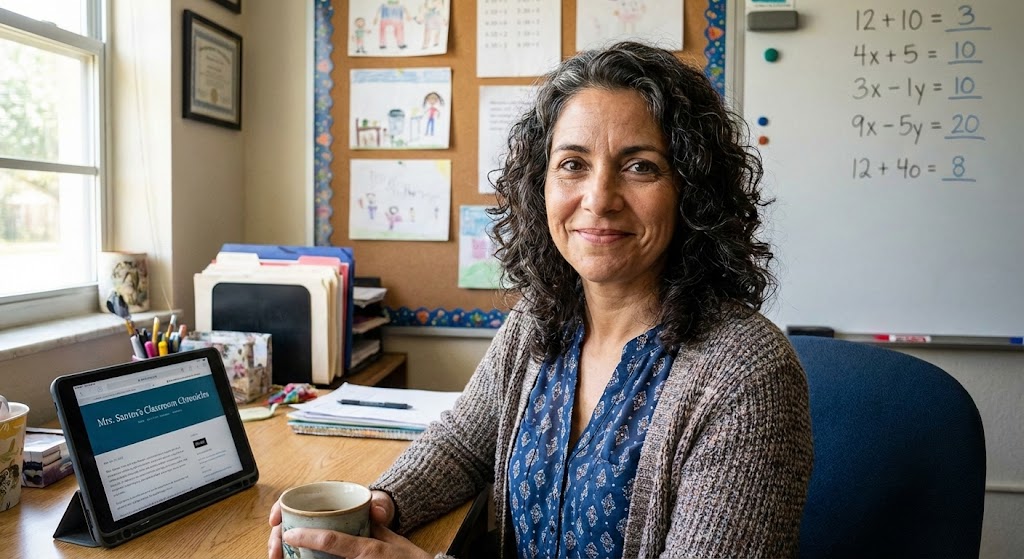
Maria Santos
Maria has been teaching 4th grade in Tampa, Florida for 22 years. Known as "the math whisperer" among her colleagues, she writes about the real challenges and victories of teaching in Florida's public schools.
When she's not grading papers or creating lesson plans, you can find Maria at her local teacher supply store (with coupons in hand) or sharing teaching tips over cafecito with her teacher friends.
View Full Profile →Related Articles
When Parents Say "My Child Would Never" (And What We Do Next)
Parent communication tip: Last Tuesday, I called Mrs. Rodriguez to discuss her son Miguel's behavior...
How to Talk to Parents About Test Scores Without Making Everyone Cry
Parent communication tip: Last week, I watched a parent's face crumple as I explained her daughter's...
Ready to Improve Your FAST Scores?
Upload your class data and get personalized IXL success plans in seconds.
Try It Free