When Parents Ask "What Does This Number Mean?" - A Teacher's Guide to Test Score Conversations
Last Tuesday, Sofia's mom cornered me after dismissal with a crumpled piece of paper in her hand. "Mrs. Santos," she said, eyes wide with worry, "Sofia got a 298 on her FAST test. Is that good? Bad? I have no idea what this means!"
I've had this exact conversation about a thousand times in my 22 years of teaching. And honestly? I don't blame parents one bit for being confused. These test score reports look like they were designed by aliens who've never actually talked to a human being.
So let's fix this, mijas. Here's how we can turn those scary numbers into real conversations that actually help our families understand where their kids are and where they're headed.
Start with What Test Scores Actually Tell Us (And What They Don't)
Before we dive into the numbers, we need to be clear about what we're looking at. I always start parent conferences by saying something like this:
"This test score is like taking your child's academic temperature on one particular day. It gives us useful information, but it's just one piece of the puzzle."
Because here's the thing, test scores show us a snapshot. They don't capture Miguel's creativity when he solves math problems in completely unexpected ways. They don't show how Emma has grown as a reader this year, even if her score stayed the same. They definitely don't measure kindness, curiosity, or any of the other things that make our kids amazing.
But they do give us data we can use. And parents deserve to understand what that data means.
Breaking Down the Numbers Without Breaking Parents' Hearts
When I'm looking at FAST scores with parents, I use what I call the "sandwich approach." Good news, areas for growth, then encouragement. Always in that order.
For Sofia's mom, I started with: "Sofia is reading at grade level, which means she's exactly where we want her to be in March of 4th grade. She's making solid progress."
Then I got specific about the growth areas: "The test shows she's still working on some of those trickier comprehension skills, like making inferences. That's totally normal for this time of year, and here's what we're doing about it..."
Finally, I ended with the plan: "By the end of the year, I expect to see her scores climb because she's putting in the work every single day. And more importantly, I'm seeing her confidence as a reader grow."
Use Real Words, Not Education Jargon
Ay, dios mio, we educators love our fancy terms. But when I'm talking to parents, I pretend I'm explaining it to my own mom (who would give me that look if I started spouting off about "lexile levels" and "achievement quartiles").
Instead of saying "Your child scored in the 35th percentile," I say "Out of 100 kids Sofia's age who took this test, she scored higher than 35 of them. She's right in the middle range, which is perfectly fine for where she is right now."
Instead of "below basic," I might say "still developing these skills" or "working toward grade level."
The goal isn't to sugarcoat anything. It's to use language that actually means something to the person sitting across from you.
Show Growth, Not Just Numbers
Here's what I learned the hard way during my early teaching years: parents don't just want to know where their child stands today. They want to know if their child is moving forward.
I keep a simple chart for each student that shows their test scores over time. When Marcus's dad saw that his son had gone from a 287 in the fall to a 301 in the spring, his whole face lit up. "So he's actually getting better at this stuff?"
Yes, he absolutely was.
Sometimes the growth isn't huge. Sometimes a child stays at the same level but that actually represents progress because the test gets harder as the year goes on. I make sure parents understand that maintaining your score often means you're keeping up with increasingly difficult material.
Connect Test Scores to Classroom Reality
The magic happens when we can connect those abstract numbers to what parents see at home. I might say something like:
"Remember how you told me Carlos was struggling with his math homework back in October? Well, his FAST math score went from a 285 to a 312. That improvement you're seeing at the kitchen table? The test is capturing that too."
Or: "I know Isabella has been reading chapter books at home now instead of picture books. Her reading score reflects that growth we're both seeing."
When parents can connect the dots between the number on the page and their child's daily life, everything clicks into place.
Address the Worry Head-On
Let's be real. Most parents come into these conversations scared. They're worried their child is behind, worried they're not doing enough at home, worried about what these scores mean for their kid's future.
I always acknowledge this directly: "I know these numbers can feel overwhelming. When Daniela was in elementary school, I stressed about every single test score, even though I was a teacher! It's natural to worry because you love your child."
Then I redirect: "But here's what I want you to focus on instead..."
Give Parents Something They Can Actually Do
This is the most important part. Parents don't just want to understand the scores, they want to help their children improve. So I always end our conversation with specific, doable actions.
For a child who needs reading support: "Read together for 15 minutes every night. It doesn't matter if you're reading to her or she's reading to you. Just make it fun and consistent."
For math struggles: "Practice math facts during car rides. Make it a game. Sing them, rap them, whatever works for your family."
For writing growth: "Have him help you write the grocery list or text messages to grandma. Real writing for real purposes."
The key is giving them something concrete they can start tonight, not some overwhelming list that makes them feel inadequate.
Remember: You're the Bridge
Here's what I've learned after two decades of these conversations: our job isn't just to explain test scores. We're the bridge between confusing data and a parent's deep love for their child.
We're translating not just numbers, but hope. We're helping families see that a test score is information, not a verdict. We're showing them that their child is so much more than any number could ever capture.
So the next time a parent shows up at your door with that crumpled test report and worried eyes, remember Sofia's mom. Remember that behind every question about scores is a parent who just wants to know their child is going to be okay.
And then remind them of what we know to be true: with the right support, understanding, and encouragement, their child absolutely will be.
Because that's what we do, isn't it? We take the complicated and make it clear. We take the scary and make it manageable. We take the data and turn it into a roadmap for success.
One conversation at a time.
Maria Santos
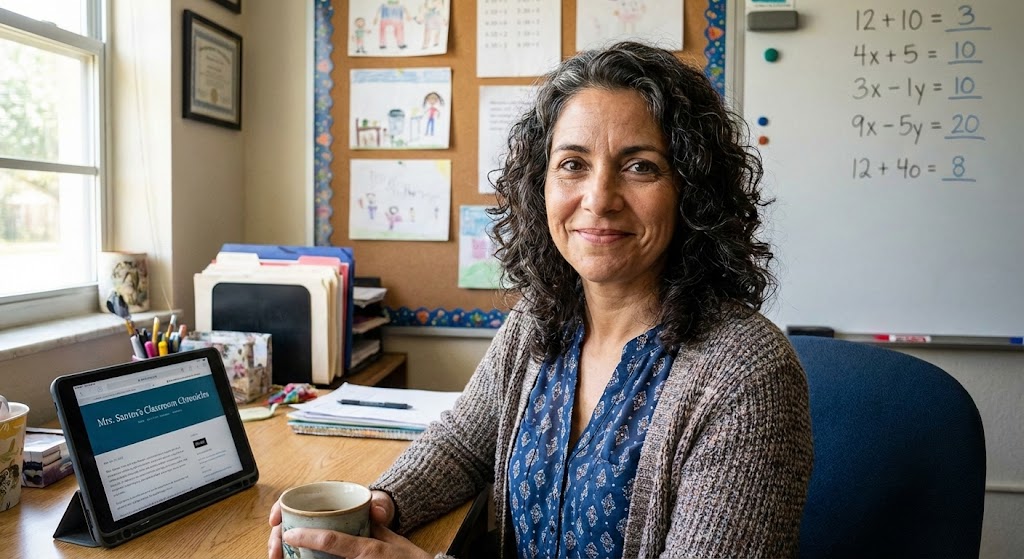
Maria has been teaching 4th grade in Tampa, Florida for 22 years. Known as "the math whisperer" among her colleagues, she writes about the real challenges and victories of teaching in Florida's public schools.
When she's not grading papers or creating lesson plans, you can find Maria at her local teacher supply store (with coupons in hand) or sharing teaching tips over cafecito with her teacher friends.
View Full Profile →Related Articles
When Parents Say "My Child Would Never" (And What We Do Next)
Parent communication tip: Last Tuesday, I called Mrs. Rodriguez to discuss her son Miguel's behavior...
How to Talk to Parents About Test Scores Without Making Everyone Cry
Parent communication tip: Last week, I watched a parent's face crumple as I explained her daughter's...
Ready to Improve Your FAST Scores?
Upload your class data and get personalized IXL success plans in seconds.
Try It Free