When Your Stress is Louder Than Your Teaching Voice
Last Tuesday, I caught myself snapping at little Sofia for sharpening her pencil during math. Not because she was being disruptive, but because the sound of that pencil sharpener felt like nails on a chalkboard to my already frazzled nerves.
That's when I knew my stress was showing.
We're knee-deep in testing season here in Florida, and if you're like me, you're probably feeling it in your shoulders, your sleep, and yes, your patience with the kids. The irony is brutal. The very time our students need us to be most calm and reassuring is when we feel anything but.
The Truth About Teacher Stress During Testing
Here's what nobody tells you in those cheerful district emails about "creating positive testing environments." You can't pour from an empty cup, and most of us are running on fumes by March.
I've been doing this for 22 years, and I still feel my heart rate spike when I think about FAST scores. Not because I don't believe in my kids, but because I know how much pressure we're all under. The data meetings, the intervention plans, the parents asking if their child will be "behind."
But here's the thing I've learned the hard way. Kids are like emotional sponges. They absorb our anxiety faster than they absorb anything we're trying to teach them.
What Stress Looks Like in Room 14B
My stress signals are embarrassingly obvious once I know what to look for:
My voice gets sharper. Instead of my usual "Mija, let's try that again," I'm giving clipped, one-word responses.
I rush through directions. Suddenly I'm talking at warp speed, expecting kids to keep up with my internal panic.
I forget to breathe. Literally. I catch myself holding my breath during lessons, which makes everything feel more intense.
My classroom management gets rigid. The flexibility that usually makes our room feel warm disappears, replaced by unnecessary rules and corrections.
Sound familiar? You're not alone, and you're not failing. You're human.
The Calm-Down Strategies That Actually Work
Start with your body, not your mind
When I feel that familiar tightness creeping up my neck, I do what I call the "teacher reset." I put both feet flat on the floor, drop my shoulders, and take three deep breaths. I do this right in front of the kids. No hiding, no shame.
Sometimes I even say, "Give me just a second to reset my brain." The kids think it's funny, but it models something important. Adults need breaks too.
Create a stress signal with your kids
This year, I taught my class a simple hand signal. When I hold up my fist and slowly open it, that means "Everyone take a deep breath with me." No questions, no explanations needed.
We practice it during calm moments so it's automatic during stressful ones. Last week during a particularly challenging math lesson, little Marcus (not my son, different Marcus) actually gave me the signal first. Smart kid.
Use transition time as reset time
Instead of rushing from activity to activity, I've started building in 30-second breathing breaks. While kids are getting supplies or moving to the carpet, I take that time to ground myself.
Those few seconds make all the difference between reactive teaching and responsive teaching.
Managing the Testing Season Overwhelm
Simplify your data analysis
I used to spend hours trying to make sense of assessment data, which only added to my stress. Now I run my FAST scores through FastIXL to get clear skill recommendations for each kid. It saves me time and gives me concrete next steps instead of just more numbers to worry about.
Batch your worry time
This sounds silly, but I give myself 15 minutes each morning to stress about everything. Testing, data, that parent email, whether I'm doing enough for each kid. I set a timer, worry hard, then move on.
The rest of the day, when anxiety creeps in, I remind myself: "That's worry time stuff. Deal with it tomorrow morning."
Remember your why, but make it specific
"I'm here for the kids" is too vague when you're stressed. I keep a list of specific moments that remind me why this matters. Like when Jayden finally understood fractions, or when shy Isabella raised her hand for the first time.
When testing stress hits, I read that list. It brings me back to what's real.
Creating Calm in Your Classroom Environment
Lower your voice instead of raising it
This is counterintuitive, but when the room gets chaotic, whisper. Kids have to get quiet to hear you, and your calm voice becomes contagious.
Use music strategically
I have a "reset playlist" that's exactly four minutes long. When we all need to decompress, I put it on and we do quiet activities. Sometimes we stretch, sometimes we just breathe, sometimes we doodle.
Four minutes isn't long, but it's enough to shift the energy in the room.
Acknowledge the elephant
If testing stress is affecting your class dynamic, it's okay to acknowledge it age-appropriately. "I know we're all feeling a little extra pressure this week. Let's take extra care of each other."
Kids feel relieved when adults name what they're experiencing too.
The Long Game Perspective
Here's what I wish someone had told me during my first testing season: Your calm presence matters more than perfect test prep.
A stressed-out teacher drilling practice problems creates anxious test-takers. A calm teacher who models resilience creates kids who can handle challenges.
I'm not saying don't prepare them. I'm saying prepare yourself first.
Your Stress Doesn't Make You a Bad Teacher
Pero let's be real for a minute. Feeling overwhelmed during testing season doesn't mean you're not cut out for this job. It means you care deeply about your students' success.
The goal isn't to eliminate stress completely. It's to manage it so it doesn't manage you.
Take care of yourself this week. Your kids need you steady more than they need you perfect.
And remember, we're all in this together. Every classroom down the hall has a teacher taking deep breaths and trying their best, just like you.
What's your go-to strategy for staying calm when the pressure builds? I'd love to hear what works in your classroom.
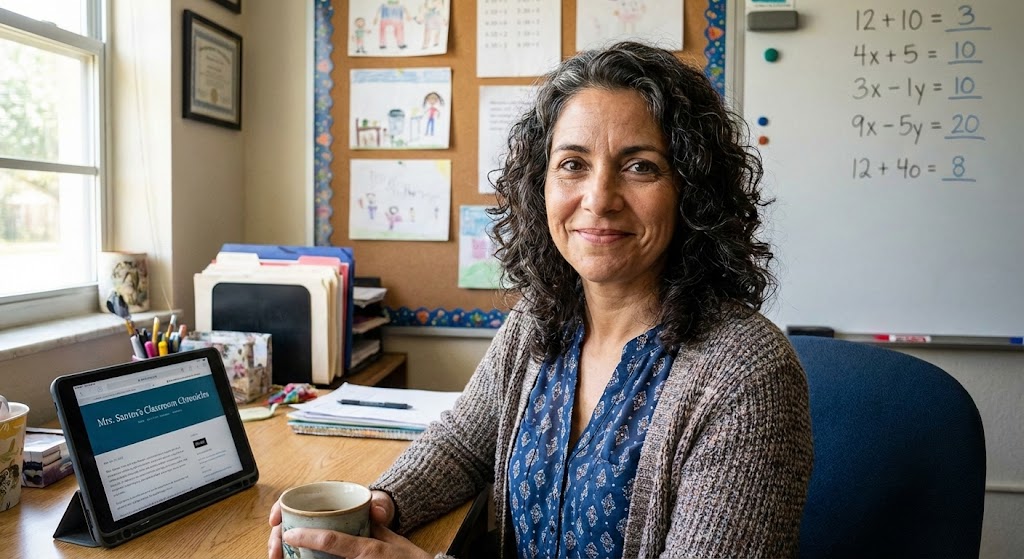
Maria Santos
Maria has been teaching 4th grade in Tampa, Florida for 22 years. Known as "the math whisperer" among her colleagues, she writes about the real challenges and victories of teaching in Florida's public schools.
When she's not grading papers or creating lesson plans, you can find Maria at her local teacher supply store (with coupons in hand) or sharing teaching tips over cafecito with her teacher friends.
View Full Profile →Related Articles
How I Actually Recover After Testing Season (And Help My Kids Do the Same)
FAST test prep tip: Last April, about three days after our final round of FAST testing wrapped up, I...
How I Help My Students (and Myself) Bounce Back After FAST Testing
FAST test prep tip: Last week, I watched little Sofia slump into her seat after our final FAST sessi...
Ready to Improve Your FAST Scores?
Upload your class data and get personalized IXL success plans in seconds.
Try It Free