When Your Stress is Showing and FAST Testing is Tomorrow
Last Tuesday, little Sofia looked up at me during math and said, "Ms. Santos, are you okay? You look like my mom when she can't find her car keys."
Ay, dios mio. Out of the mouths of babes, right?
I thought I was hiding it well. The stress about upcoming FAST testing, the pressure from admin, the stack of ungraded papers on my desk that seemed to multiply overnight. But apparently, my poker face needs some serious work.
Here's the thing we don't talk about enough: our stress is contagious. When we're wound tight, our kids feel it. And with testing season breathing down our necks, keeping our cool isn't just good for us. It's essential for them.
Your Stress is Their Stress (Whether You Like It or Not)
I learned this lesson the hard way during my third year of teaching. I was so anxious about state testing that I turned my classroom into a pressure cooker. I drilled and killed every concept. I spoke faster, moved quicker, and basically vibrated with nervous energy for weeks.
You know what happened? My usually confident readers started second-guessing themselves. My math kids who had been making real progress suddenly forgot how to do problems they'd mastered months earlier.
Kids are like emotional sponges. They absorb everything we're putting out there, even when we think we're being subtle.
The good news? We can flip this dynamic to work in our favor.
The "Fake It Till You Make It" Strategy That Actually Works
I'm not talking about pretending everything is perfect. Our kids are too smart for that, and honestly, it's exhausting to maintain that level of performance.
Instead, I'm talking about intentional calm. It's like being an actor, pero in the most authentic way possible.
Here's my go-to routine when I can feel the stress creeping up my shoulders:
The Two-Minute Reset: Before my kids come back from lunch or specials, I take two minutes to literally shake it off. I roll my shoulders, take five deep breaths, and remind myself of one thing that went well that day. Even if it's just that Marcus remembered to bring his pencil to math.
The Voice Check: I consciously lower my voice and slow down my speech. When we're stressed, we tend to talk faster and louder. Our kids pick up on that immediately. Speaking slowly and softly forces them to lean in and actually helps everyone focus better.
Creating Calm Anchors in Your Classroom
Your physical space can work for you or against you during stressful times. I learned this from my colleague Patricia, who somehow maintains zen-like energy even during the craziest days.
The Breathing Corner: I set up a small area with a comfortable cushion and a simple poster showing breathing techniques. When kids (or I) need a moment, we can step away without making a big production of it.
Calm-Down Playlist: I have a specific set of instrumental music that I play during transitions or when the energy gets too high. My kids have learned to associate those songs with slowing down and refocusing.
The Worry Box: This was a game-changer. I put out a decorated shoebox where kids can write down their worries about testing or anything else. We don't have to address every worry, but giving them a place to put those thoughts helps clear their mental space.
When You're Having a Rough Day (Because We All Do)
Let me be real with you. Some days, the fake-it-till-you-make-it approach isn't enough. Some days, you wake up already behind, your coffee maker breaks, traffic is a nightmare, and you walk into your classroom feeling like you're barely keeping your head above water.
On those days, I've learned to be honest with my kids. Not about adult problems they shouldn't have to carry, but about the fact that everyone has tough days.
"Friends, I'm having one of those days where everything feels a little harder than usual. So we're going to take extra care of each other today, okay?"
You'd be amazed how this changes the dynamic. Instead of feeding off my stress, they become my helpers. They remind each other to use quiet voices. They offer to help with classroom jobs without being asked.
The Magic of Routine During Chaos
When everything else feels uncertain, routine becomes our lifeline. During testing season, I actually add more routine, not less.
We start every day the same way: a simple breathing exercise and one positive affirmation. Nothing fancy. Just "I am ready to learn" or "I can do hard things."
We end every day by sharing one good thing that happened. Even on the worst days, there's always something. Even if it's just that the cafeteria served pizza.
These bookends help contain whatever chaos happens in between.
Teaching Them to Manage Their Own Stress
The most powerful thing we can do is give our kids tools to handle their own big feelings. Because let's face it, they're going to face stressful situations long after they leave our classrooms.
I teach them the "5-4-3-2-1" grounding technique: name 5 things you can see, 4 things you can touch, 3 things you can hear, 2 things you can smell, and 1 thing you can taste. It works for test anxiety, friendship drama, or any time they're feeling overwhelmed.
We practice positive self-talk. Instead of "I'm terrible at math," we learn to say "I'm still learning this part of math." It sounds simple, but it makes a huge difference in how they approach challenges.
Remember: You're Modeling More Than Academics
Here's what I wish someone had told me twenty-two years ago: how you handle stress is one of the most important lessons you'll teach.
When you take a deep breath before responding to a difficult situation, they learn emotional regulation. When you admit you made a mistake and fix it calmly, they learn resilience. When you show them that adults can feel overwhelmed and still function, you're giving them permission to be human.
Your students don't need you to be perfect. They need you to be steady. There's a difference.
The Bottom Line
Testing season is hard. The pressure is real. The stakes feel impossibly high some days. But remember, you've done this before, and you'll do it again.
Your calm presence in their lives might be the only steady thing some of your kids experience. That's not pressure. That's purpose.
So tomorrow, when you're feeling the weight of everything on your shoulders, remember little Sofia's observation. Check in with yourself. Take that two-minute reset. Lower your voice. Slow down your movements.
Your kids are watching. Show them what steady looks like.
We've got this, teachers. One deep breath at a time.
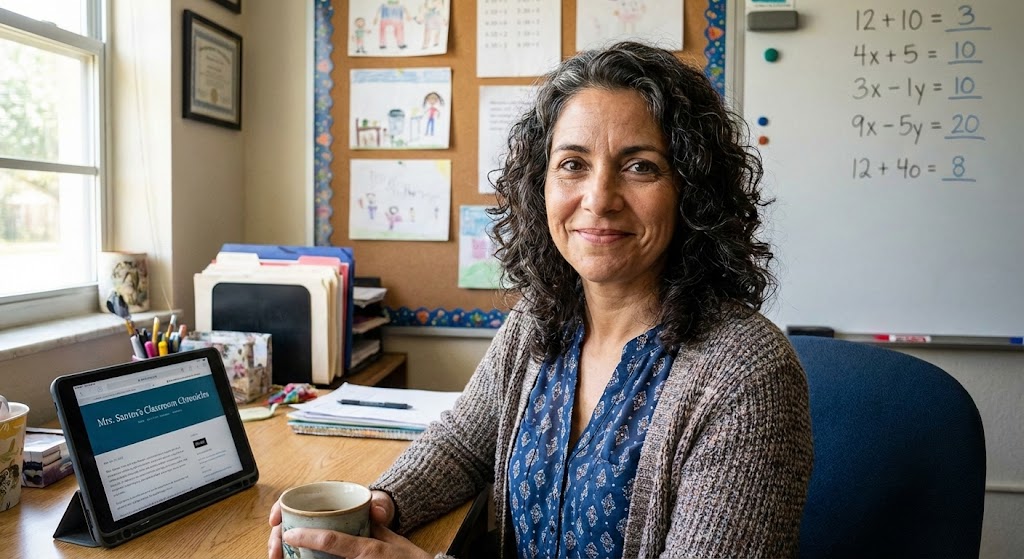
Maria Santos
Maria has been teaching 4th grade in Tampa, Florida for 22 years. Known as "the math whisperer" among her colleagues, she writes about the real challenges and victories of teaching in Florida's public schools.
When she's not grading papers or creating lesson plans, you can find Maria at her local teacher supply store (with coupons in hand) or sharing teaching tips over cafecito with her teacher friends.
View Full Profile →Related Articles
How I Actually Recover After Testing Season (And Help My Kids Do the Same)
FAST test prep tip: Last April, about three days after our final round of FAST testing wrapped up, I...
How I Help My Students (and Myself) Bounce Back After FAST Testing
FAST test prep tip: Last week, I watched little Sofia slump into her seat after our final FAST sessi...
Ready to Improve Your FAST Scores?
Upload your class data and get personalized IXL success plans in seconds.
Try It Free