When Your Stress Is Showing and Your Kids Are Watching
Last Tuesday, I was having one of those days. You know the kind. The copier jammed twice before 8 AM, my coffee maker decided to leak all over my lesson plans, and I got an email about surprise observations during testing season. By the time my kids walked in, I was wound tighter than a spring.
Then little Sofia looked up at me and said, "Maestra Santos, are you okay? You look worried."
Out of the mouths of babes, right?
Here's what we don't talk about enough: our stress is contagious. When we're frazzled, anxious, or overwhelmed, our students pick up on it faster than they pick up on new math concepts. And during testing season here in Florida? Ay, dios mio, the stress is thick enough to cut with a knife.
Why Kids Mirror Our Energy
I learned this lesson the hard way during my third year teaching. I was so worried about my students' FCAT scores (yes, I'm dating myself here) that I turned into a nervous wreck. I was snapping at kids, rushing through lessons, and basically radiating panic.
Guess what happened? My normally sweet class turned into little stress monsters. They were arguing more, crying over small things, and completely shutting down during practice tests.
That's when my mentor, Mrs. Rodriguez, pulled me aside. "Mija," she said, "they're not feeding off the test anxiety. They're feeding off YOUR anxiety."
She was right. Kids are like emotional sponges. They absorb whatever energy we're putting out there.
The Reality Check We All Need
Before we dive into solutions, let's be real about something. We're human beings, not robots. We're going to have stressful days. We're going to worry about our students' performance, especially when we know how much these scores matter for our schools.
I still get butterflies before FAST testing. I still lose sleep wondering if I've prepared my kids enough. And sometimes, I still have moments where I want to hide in the supply closet and eat chocolate.
The goal isn't to eliminate stress completely. It's to manage it so it doesn't take over our classrooms.
Quick Stress Busters That Actually Work
The Two-Minute Reset
When I feel my stress levels rising, I stop everything and do what I call a "classroom reset." I dim the lights, put on some soft music, and have everyone (including me) take five deep breaths together.
I tell my kids, "Even teachers need a moment to recharge our batteries." They totally get it, and it gives me just enough time to collect myself.
The Honesty Policy
Sometimes I'm transparent with my students in an age-appropriate way. If I'm feeling overwhelmed, I might say, "Friends, I'm having one of those days where everything feels a little harder. Let's help each other out today."
Kids appreciate honesty, and it teaches them that it's normal to have difficult emotions.
The Buddy System
I have a deal with my colleague next door, Carmen. When one of us is having a rough day, we text each other a simple "SOS." The other person finds an excuse to pop by with a smile, a joke, or just a friendly face.
Having that support network right down the hall makes all the difference.
Managing the Testing Season Chaos
Let's be honest about testing season in Florida. Between FAST scores, data meetings, and all the pressure that comes with it, this time of year can feel overwhelming. Last month, when I got my students' fall FAST data back, I was stressed about how to tackle all the different skill gaps I was seeing.
That's when my teammate Yolanda showed me FastIXL, which converts those FAST scores into specific IXL practice recommendations. Having those targeted skills mapped out saved me hours of planning time and helped me feel more prepared.
But beyond the logistics, here's what I've learned about keeping kids calm during testing season:
Create Predictable Routines
When everything else feels chaotic, routines become our anchor. I keep our morning routine exactly the same, even on testing days. Same greeting song, same morning message format, same expectations.
Focus on Effort, Not Outcomes
Instead of saying "You need to do well on this test," I say "I want to see your best thinking." It shifts the focus from results to process, which feels less scary for everyone.
Keep Perspective Visible
I have a poster in my room that says "Tests measure one day, one way. You are more than any score." We read it together whenever test anxiety starts creeping in.
The Oxygen Mask Principle
You know how flight attendants tell you to put your own oxygen mask on first? The same principle applies in our classrooms. We can't pour from an empty cup.
Here are some ways I take care of myself so I can take care of my kids:
I arrive at school 15 minutes earlier than I need to, just so I can start my day calmly instead of rushing in at the last minute.
I keep a stress ball in my desk drawer. Sometimes I squeeze it under my desk during particularly challenging moments.
I remind myself that one bad day doesn't define me as a teacher, just like one bad test score doesn't define my students.
When Kids Are Struggling Too
Sometimes our students come to school carrying their own stress. Maybe they're worried about disappointing their parents, or they're dealing with challenges at home that we don't even know about.
Here's what helps:
I teach my kids simple breathing techniques. We call it "flower breathing" - smell the flower (inhale), blow out the candle (exhale). It's something they can use anytime, anywhere.
I create a calm-down corner in my classroom with soft pillows, fidget tools, and books. Kids know they can use it when they need a break.
I check in with my students individually, especially the ones who seem more anxious than usual. Sometimes a simple "How are you feeling today?" can make all the difference.
The Ripple Effect of Calm
Here's the beautiful thing about managing our stress: when we stay calm, our kids stay calm. When our kids are calm, they learn better. When they learn better, we feel less stressed. It's a positive cycle that benefits everyone.
I'm not saying it's easy. Some days I still feel like I'm barely keeping it together. But I've learned that showing up as the calm, steady adult in the room is one of the most important gifts I can give my students.
Remember, we're not just teaching math and reading. We're teaching kids how to handle pressure, how to manage emotions, and how to keep going when things get tough. They're watching us to see how it's done.
So take that deep breath, squeeze that stress ball if you need to, and remember that you've got this. Your kids need you to believe it, and honestly, you need you to believe it too.
How do you keep your cool when the pressure's on? I'd love to hear your strategies in the comments. We're all in this together, and sometimes the best ideas come from sharing what's working in our classrooms.
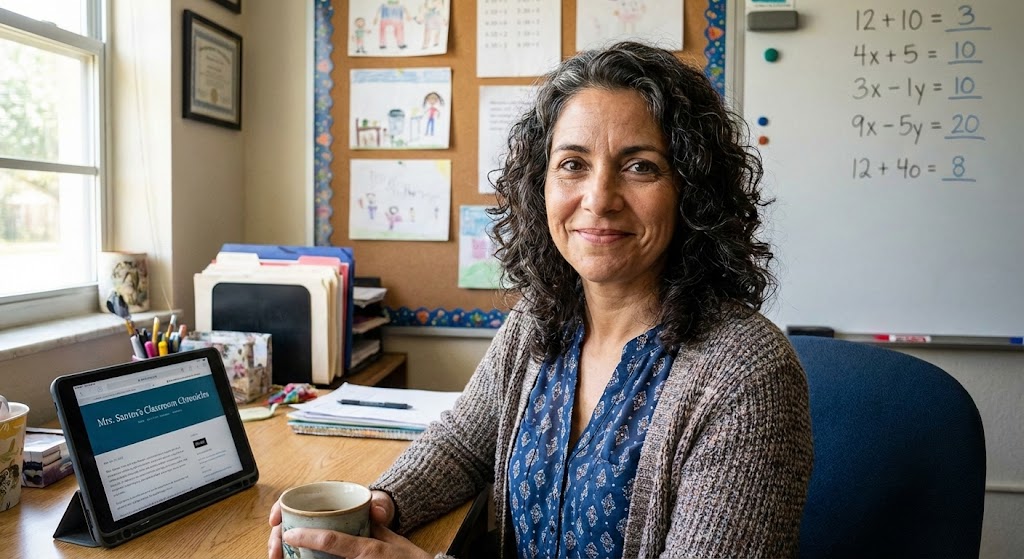
Maria Santos
Maria has been teaching 4th grade in Tampa, Florida for 22 years. Known as "the math whisperer" among her colleagues, she writes about the real challenges and victories of teaching in Florida's public schools.
When she's not grading papers or creating lesson plans, you can find Maria at her local teacher supply store (with coupons in hand) or sharing teaching tips over cafecito with her teacher friends.
View Full Profile →Related Articles
How I Actually Recover After Testing Season (And Help My Kids Do the Same)
FAST test prep tip: Last April, about three days after our final round of FAST testing wrapped up, I...
How I Help My Students (and Myself) Bounce Back After FAST Testing
FAST test prep tip: Last week, I watched little Sofia slump into her seat after our final FAST sessi...
Ready to Improve Your FAST Scores?
Upload your class data and get personalized IXL success plans in seconds.
Try It Free