When You're Barely Holding It Together But Your Kids Need You Steady
Last Tuesday, I walked into my classroom with my coffee still brewing at home (forgot to press start, ay dios mio), a stack of ungraded papers threatening to topple from my arms, and exactly twelve minutes before the kids arrived. My principal had just sent another email about FAST prep, my own son Marcus was giving me attitude about his algebra homework, and I could feel that familiar tightness creeping up my shoulders.
Then Isabella walked in, took one look at me, and asked, "Miss Santos, are you okay? You look worried."
Out of the mouths of babes, right?
They're Always Watching
Here's what I've learned in 22 years of teaching: our kids are emotional detectives. They can spot our stress from across the room, even when we think we're hiding it perfectly. And honestly? Sometimes that stress is contagious.
I remember my third year teaching when I was completely overwhelmed during state testing season. I thought I was keeping it together, but my classroom felt tense all the time. Kids were snapping at each other, my usually sweet students were having meltdowns, and I couldn't figure out why.
My mentor teacher, Mrs. Rodriguez, pulled me aside after school one day. "Mija," she said, "your energy is their energy. When you're wound tight, they feel it."
She was right. I was the thermostat of that classroom, and I had the temperature set to "barely contained panic."
The Oxygen Mask Principle
You know how on airplanes they tell you to put your own oxygen mask on first? Same rule applies in the classroom. We can't pour from an empty cup, and we can't be their steady presence if we're falling apart inside.
But here's the thing - we don't have to be perfect. We don't have to pretend we never feel stressed or overwhelmed. What we need is a toolkit for managing those moments when they hit.
Quick Reset Strategies That Actually Work
The 30-Second Breathing Reset
When I feel my stress levels rising, I do what I call the "teacher's breath." It's simple: breathe in for four counts, hold for four, out for six. I do this while the kids are working independently, or even while I'm walking around the room helping them.
Sometimes I'll even do it with the whole class. "Okay, everyone, let's take three deep breaths together. We're going to reset our brains for learning." They think it's just a brain break, but really, I'm buying myself a moment to get centered.
The Honest Check-In
When Isabella asked if I was okay that Tuesday morning, instead of brushing it off, I decided to be honest. "You know what? I am feeling a little stressed this morning. But being here with all of you always makes me feel better."
Then I asked them how they were feeling. Turns out, half my class was worried about their math quiz later that day. We spent five minutes talking about it, and suddenly we were all on the same team again.
The Physical Reset
Sometimes our bodies hold stress in ways our minds don't even realize. I keep a small stress ball in my desk drawer, and I'll squeeze it while I'm listening to students read or during planning periods.
I also do shoulder rolls throughout the day. Sounds silly, pero it works. When I catch myself hunching over my desk or tensing up during a difficult moment, I roll my shoulders back and down. Instant relief.
Creating Calm Spaces for Everyone
The Peace Corner
Three years ago, I created what I call our "peace corner." It's just a small area with a comfortable cushion, some fidget tools, and a few calming books. When kids are feeling overwhelmed, they can ask to spend a few minutes there.
But here's my secret: I use it too. During lunch or planning periods, I'll sit in that corner for a few minutes. It reminds me to breathe and helps me reset for the afternoon.
Calm Down Strategies We Practice Together
We practice calming strategies as a class, not just when someone's upset. We do "mindful moments" where we listen to sounds around us for one minute. We practice the "5-4-3-2-1" grounding technique (5 things you see, 4 you hear, 3 you touch, 2 you smell, 1 you taste).
When I model these strategies regularly, kids see them as normal tools, not punishment or something weird. And honestly, practicing them when we're NOT stressed makes them more effective when we need them.
When the Day Goes Sideways
Last month, our fire alarm malfunctioned and went off six times in one day. By the fourth false alarm, I could see my kids getting really anxious. Little Miguel was near tears, and even my most easygoing students were getting frustrated.
I made a decision. We weren't getting any real learning done anyway, so I turned it into a life skills lesson. We talked about how sometimes things happen that are out of our control. We practiced staying calm during unexpected situations. We even made jokes about it.
"Well," I told them, "at least we're getting our steps in today with all these trips outside!"
By the end of the day, what could have been a disaster became a bonding experience. They felt proud of how well they handled a stressful situation, and I felt proud of how I helped them through it.
The Real Talk About Self-Care
I know, I know. Everyone talks about self-care like it's some magical solution. But the truth is, most of us don't have time for bubble baths and yoga retreats. What we need is practical, in-the-moment strategies that work in real classrooms with real pressures.
For me, self-care looks like keeping granola bars in my desk so I don't get hangry between lunch and dismissal. It's setting a timer to remind myself to drink water. It's giving myself permission to leave some things for tomorrow when I'm completely drained.
It's also knowing when to ask for help. Last year during a particularly rough patch, I asked our school counselor to come talk to my class about managing big feelings. Not because my kids needed it (though they did), but because I needed the support too.
Building Your Stress-Busting Toolkit
Here's what I want you to try this week:
Pick one breathing technique and practice it when you're NOT stressed. Make it automatic so you can use it when you need it.
Create a physical signal for yourself - touching your necklace, pressing your feet firmly on the floor, whatever works - that reminds you to pause and breathe.
Have an honest conversation with your students about feelings and stress. You don't have to share everything, but letting them know that everyone feels overwhelmed sometimes normalizes their experience.
Remember, we're not trying to eliminate stress completely. That's impossible in this job. We're trying to manage it better so we can be the steady, calm presence our students need.
And on those days when you're barely holding it together? That's okay too. Tomorrow is a fresh start, and your kids will still think you hung the moon.
We've got this, teachers. One deep breath at a time.
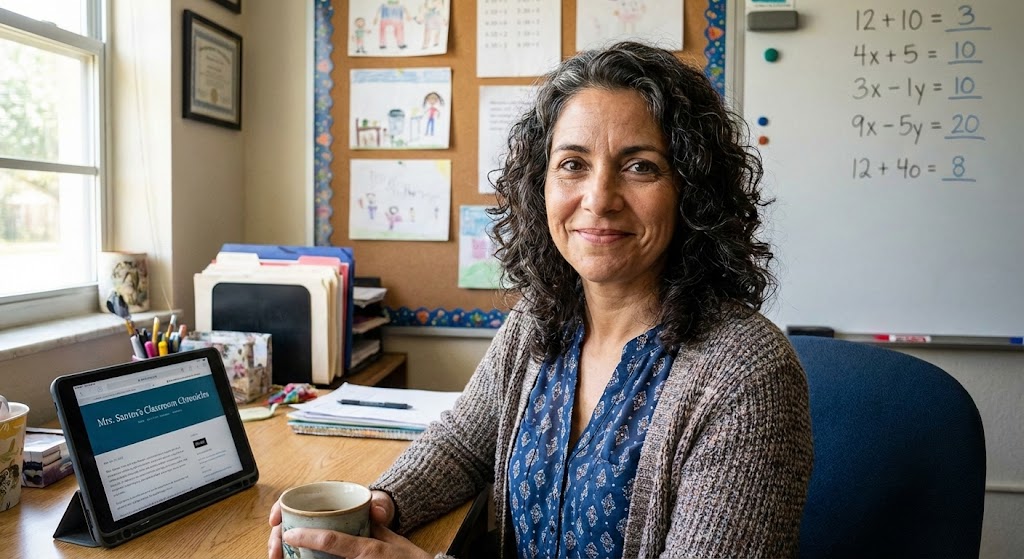
Maria Santos
Maria has been teaching 4th grade in Tampa, Florida for 22 years. Known as "the math whisperer" among her colleagues, she writes about the real challenges and victories of teaching in Florida's public schools.
When she's not grading papers or creating lesson plans, you can find Maria at her local teacher supply store (with coupons in hand) or sharing teaching tips over cafecito with her teacher friends.
View Full Profile →Related Articles
How I Actually Recover After Testing Season (And Help My Kids Do the Same)
FAST test prep tip: Last April, about three days after our final round of FAST testing wrapped up, I...
How I Help My Students (and Myself) Bounce Back After FAST Testing
FAST test prep tip: Last week, I watched little Sofia slump into her seat after our final FAST sessi...
Ready to Improve Your FAST Scores?
Upload your class data and get personalized IXL success plans in seconds.
Try It Free