When You're Barely Keeping It Together (And Your Kids Can Tell)
Last Tuesday, I was explaining long division for the third time when little Sofia looked up at me and said, "Miss Santos, are you okay? You look like my mom when she's mad at the cable company."
Out of the mouths of babes, right?
The truth is, I wasn't okay. FAST testing was two weeks away, my data looked messier than my desk after a craft project, and I'd spent the weekend creating intervention groups instead of watching Netflix with Carlos. I was stressed, and apparently, it was written all over my face.
Here's what 22 years in the classroom has taught me: our kids are emotional sponges. They absorb every bit of our anxiety, frustration, and stress. And during testing season? Ay, dios mío, it's like we're all walking around with our nerves on the outside.
The Mirror Effect is Real
Our students don't just hear what we say. They feel what we feel.
When I'm anxious about test scores, they get anxious about disappointing me. When I'm rushing through review materials because I'm panicked about time, they start to panic too. It's like emotional contagion, but not the good kind.
I learned this the hard way during my third year teaching. I was so stressed about state testing that I turned my usually warm classroom into a pressure cooker. My kids picked up on every bit of my anxiety. Test day came, and half my class was in tears before they even opened their booklets.
Never again.
Start With Your Own Oxygen Mask
You know how flight attendants tell you to put on your own oxygen mask first? Same principle applies here.
I've had to get real about managing my own stress before I can help my students manage theirs. Some days that means taking three deep breaths in my car before I walk into school. Other days it means admitting to myself that not every single standard needs to be reviewed again.
Last month, when I got my latest FAST data and felt that familiar panic rising, I made myself stop and think. Instead of spiraling, I used FastIXL to quickly match those scores to specific IXL skills my kids needed to work on. Having a clear action plan helped calm my nerves way more than staring at spreadsheets all weekend.
Create Calm Rituals Together
Kids need predictability when everything feels chaotic. I've started building little calm-down rituals into our daily routine, especially as we get closer to testing.
We start each morning with two minutes of deep breathing. I tell them we're "powering up our brains," and honestly, it helps me as much as it helps them. We breathe in for four counts, hold for four, and breathe out for four. Simple, but it works.
During our afternoon transition time, we do what I call "worry parking." If someone has a worry about the test, school, or anything else, they can write it down and put it in our worry box. I tell them their brain doesn't have to carry that worry around anymore because it's safely parked.
Be Honest (But Age-Appropriate)
When Sofia called me out that Tuesday, I could have brushed it off. Instead, I decided to be honest.
"You're right, mija. I am feeling a little stressed today. Sometimes grown-ups feel worried too, and that's okay. But you know what? We can help each other feel better."
The relief in their faces was immediate. They weren't imagining things. Their teacher was human, and that was okay.
I explained that I was thinking about all the things I wanted to help them learn, and sometimes that made me feel rushed. But I reminded them (and myself) that they were already learning so much, and I was proud of them.
Lower the Stakes in Your Language
I caught myself saying things like "This is really important" and "You need to remember this for the test" about seventeen times a day. No wonder my kids were stressed.
Now I try to say things like: - "Let's practice this skill together" - "This is something that might show up on the test, but we've got this" - "Remember, the test is just one way to show what you know"
Small changes, but they make the whole room feel different.
Build in Movement and Laughter
Stressed bodies hold tension. Stressed kids need to move.
We take "brain breaks" every 20 minutes during review time. Sometimes it's jumping jacks, sometimes it's stretching, sometimes it's just walking around the room. Movement helps reset everyone's nervous system, mine included.
And laughter? It's like medicine. I keep a few clean jokes ready for when the room feels too heavy. Last week, Marcus asked me why six was afraid of seven, and when I said I didn't know, half the class shouted "Because seven eight nine!" The giggles that followed were exactly what we all needed.
Remember Your Why
On the really hard days, when I'm tempted to turn into a drill sergeant because there's so much to cover, I remind myself why I became a teacher.
It wasn't to create test-taking machines. It was to help kids learn and grow and feel capable. Yes, we need to prepare them for assessments. But we also need to preserve their love of learning and their confidence in themselves.
Some of my most successful students over the years weren't the ones who scored highest on tests. They were the ones who learned to stay calm under pressure, who developed resilience, and who knew their worth wasn't determined by a single score.
You're Doing Better Than You Think
Here's what I want every teacher reading this to know: your students are lucky to have you. The fact that you're worried about keeping them calm shows how much you care.
Yes, testing season is stressful. Yes, there's pressure from all sides. But your kids don't need you to be perfect. They need you to be present, calm, and caring. And on the days when you can't manage calm? They need you to be honest about that too.
We're all figuring this out together, one deep breath at a time.
Take care of yourself this week. Your students need you at your best, but your best includes being human.
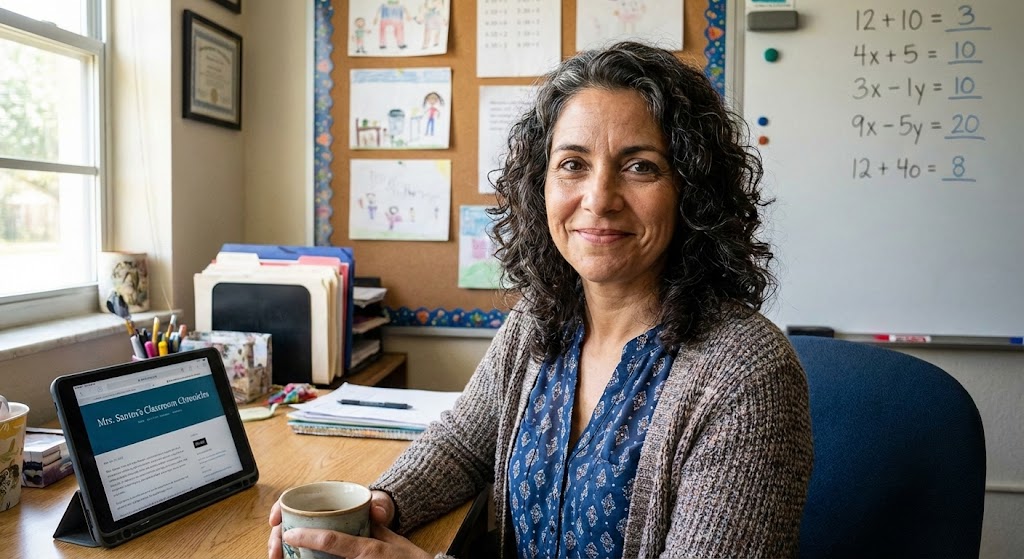
Maria Santos
Maria has been teaching 4th grade in Tampa, Florida for 22 years. Known as "the math whisperer" among her colleagues, she writes about the real challenges and victories of teaching in Florida's public schools.
When she's not grading papers or creating lesson plans, you can find Maria at her local teacher supply store (with coupons in hand) or sharing teaching tips over cafecito with her teacher friends.
View Full Profile →Related Articles
How I Actually Recover After Testing Season (And Help My Kids Do the Same)
FAST test prep tip: Last April, about three days after our final round of FAST testing wrapped up, I...
How I Help My Students (and Myself) Bounce Back After FAST Testing
FAST test prep tip: Last week, I watched little Sofia slump into her seat after our final FAST sessi...
Ready to Improve Your FAST Scores?
Upload your class data and get personalized IXL success plans in seconds.
Try It Free