Hurricane Days: What They Don't Teach You in Education School
Last Tuesday, I was teaching fractions when my principal's voice crackled over the intercom: "Teachers, please check your email for an important weather update." Twenty-two years in Florida classrooms, and my stomach still drops when I hear those words during hurricane season.
By the time I got home, Carlos was already boarding up windows while muttering about how teachers get more hurricane prep time than electricians. "Mija," I told him, "you have no idea what's coming after this storm passes."
He was thinking about power lines. I was thinking about my kids.
The Prep That Really Matters
Sure, we all know the drill. Secure your classroom, take home essentials, charge devices. But let me share what I wish someone had told me during my first hurricane season back in 2002.
Pack your emotional toolkit, not just your teaching supplies.
After Hurricane Ian, little Sofia came back to school having lost everything except the clothes on her back. Marcus (not my son, but one of my students) spent five days in a shelter with his abuela because a tree fell on their trailer. These babies don't need worksheets when they return. They need stability, routine, and someone who sees them.
I learned this the hard way after Hurricane Charley. I spent my prep days laminating and organizing, convinced I'd be the most prepared teacher ever. What I didn't prepare for was half my class coming back traumatized, the other half bouncing off the walls from being cooped up, and me trying to jump right back into long division like nothing happened.
Create your "soft landing" lesson plans now.
Before any storm threatens, I prep what I call my "soft landing" activities. These aren't in my regular plan book. They live in a special folder marked "Post-Hurricane Healing."
Circle time discussions about feelings. Art projects that let kids express what they experienced. Collaborative games that rebuild our classroom community. Stories about resilience and helping others. Math problems using real hurricane data (because why not sneak in some learning?).
The key is flexibility. Some years, we need these activities for two days. Some years, like after Ian, we needed them for two weeks.
The Communication Game Plan
Set up your parent communication system before you need it.
During Hurricane Irma, I realized I had no way to reach parents when the power was out and the school's automated system was down. Now I maintain a group text with parent volunteers who can help spread information through their networks.
I also learned to be very specific about what "school is closed" means. Parents were calling me at home asking if they should send kids to after-school tutoring when we didn't even have electricity. Now I over-communicate: "School is closed means NO school activities, NO after-school programs, NO one should come to campus."
Prepare your "we're okay" message ahead of time.
After the storm passes, parents are anxious for updates. Having a template ready saves precious time when you're dealing with your own recovery. Mine includes: confirmation that I'm safe, when I expect to know about school reopening, and a reminder that I'll share updates as soon as I have them.
The Comeback Strategy
Here's what they don't tell you: the first day back is never about academics. It's about healing.
Start with connection, not curriculum.
My first activity is always "Hurricane Stories." We sit in a circle, and anyone who wants to can share one thing that happened during the storm. Some kids talk about scary winds. Others brag about playing board games with family. A few share losses that break your heart.
I participate too. I tell them about Carlos boarding up windows or how our neighbor's chicken somehow ended up in our backyard. It normalizes the experience and shows them we're all in this together.
Expect regression and plan for it.
After Hurricane Matthew, my usually independent fourth graders suddenly needed help with everything. Kids who could multiply fractions were asking for help tying shoes. Students who never had bathroom accidents were having them daily.
This isn't defiance or attention-seeking. It's trauma response. I adjust expectations accordingly and gradually increase independence as they settle back in.
Use the experience as curriculum when appropriate.
Once we're stable again, hurricanes become amazing learning opportunities. We graph wind speeds, calculate rainfall totals, and study weather patterns. We write thank-you letters to relief workers and research hurricane preparedness in other countries.
But timing matters. Don't jump into hurricane math while kids are still processing hurricane trauma.
The Self-Care Nobody Talks About
You can't pour from an empty cup, especially during disaster recovery.
After Hurricane Ian, I was so focused on taking care of my students that I ignored my own stress. I snapped at Carlos, cried in my car after school, and couldn't sleep because I was worried about my kids at home.
My colleague Rosa finally pulled me aside. "Maria, you survived the hurricane too. Give yourself permission to not be perfect right now."
Now I build recovery time into my post-hurricane plans. I lower my expectations for myself just like I do for my students. Dinner might be takeout for a week. Grading might wait an extra day. The classroom bulletin boards might stay hurricane-messy a little longer.
Connect with your teacher tribe.
We teachers are natural givers, but disasters are when we need to lean on each other. Share resources, vent frustrations, and celebrate small victories together.
Last year, my teammate Jennifer and I took turns covering each other's classes so we could each make insurance calls during planning periods. These little acts of support make all the difference.
Looking Forward
Hurricane season in Florida isn't just a weather pattern, it's a way of life. We prep, we weather the storm, we rebuild, and we do it all over again.
But here's what I've learned: our resilience teaches our students resilience. When they see us adapt, problem-solve, and care for each other through difficult times, they learn those skills too.
So yes, charge your devices and stock up on batteries. But also prepare your heart for the privilege of helping your students heal and grow stronger.
We've got this, Florida teachers. We always do.
Stay safe out there, and remember: sometimes the most important lesson plan is simply showing up with love and flexibility. Our kids need that more than they need perfectly laminated centers.
How do you prepare for hurricane season in your classroom? Drop me a line at maria.elena.teaches@email.com. I'm always learning from fellow Florida educators who understand this unique challenge we face together.
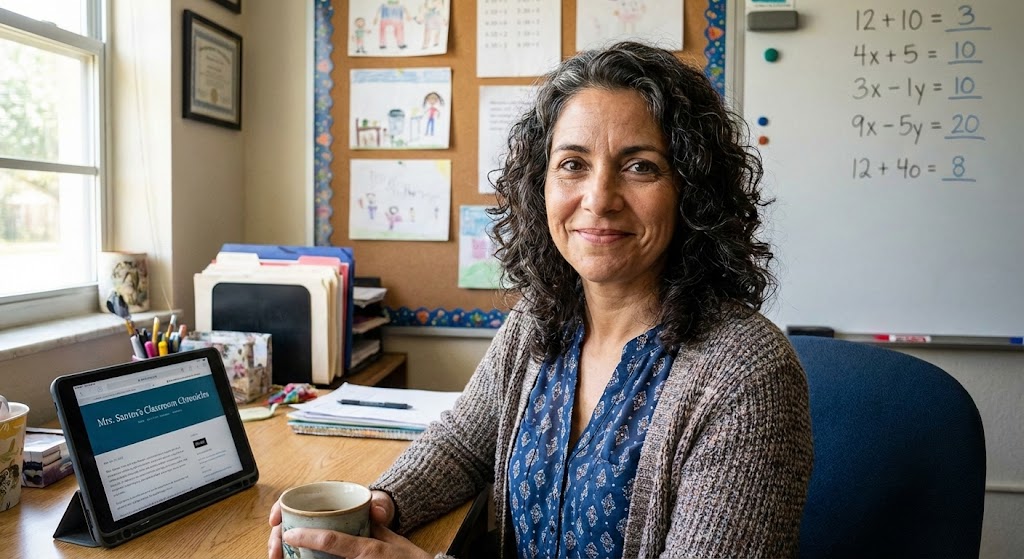
Maria Santos
Maria has been teaching 4th grade in Tampa, Florida for 22 years. Known as "the math whisperer" among her colleagues, she writes about the real challenges and victories of teaching in Florida's public schools.
When she's not grading papers or creating lesson plans, you can find Maria at her local teacher supply store (with coupons in hand) or sharing teaching tips over cafecito with her teacher friends.
View Full Profile →Related Articles
Hurricane Days Are Coming: What Every Florida Teacher Needs to Do Before and After the Storm
Florida teacher tip: I still think about Hurricane Irma. It was 2017, and I had just finished settin...
Dear First-Year Florida Teacher, Nobody Warned You About This
Florida teacher tip: I remember standing in my classroom in late August, sweating through my cardiga...
Ready to Improve Your FAST Scores?
Upload your class data and get personalized IXL success plans in seconds.
Try It Free