When Everyone's Got Summer Brain (But You Still Need to Teach)
Yesterday, little Sophia looked me dead in the eye and asked, "Mrs. Santos, why do we still have to do math when it's already hot outside?"
Ay, mija. If only it worked that way.
It's that time of year, isn't it? The Florida heat is cranking up, the kids are getting restless, and honestly, we teachers are starting to feel it too. I caught myself staring out the window during my planning period yesterday, daydreaming about my sister's pool in Miami.
But here's the thing I've learned in my 22 years of doing this dance: the kids who need structure most are the ones who fall apart when we let it slide. And in a Title I school like mine, I can't afford to lose even one of them to summer brain.
The Temptation to Coast
Let me be real with you. There's this voice in my head (and maybe yours too) that whispers, "Just put on a movie. They're not going to remember anything anyway."
I listened to that voice my third year of teaching. May rolled around, I got lazy with my routines, and my classroom turned into chaos. By the time FCAT rolled around (yes, I'm that old), my kids were scattered and unfocused. I learned the hard way that consistency matters most when it feels hardest to maintain.
The truth is, our students are counting on us to hold the line. Especially the ones who don't have structure waiting for them at home this summer.
Small Tweaks, Big Impact
You don't have to reinvent your whole classroom management system. Sometimes it's the tiny adjustments that keep everything from falling apart.
Morning routines become even more crucial. I've actually made mine more detailed, not less. When Marcus (my own son) stumbles into the kitchen at 7 AM looking lost, I know my students need that predictable start even more.
I added a "weather check" to our morning routine. Sounds silly, pero it works. Kids come in, check the temperature on our classroom thermometer, and predict if it'll be a "focus day" or a "wiggly day." Then we adjust our brain break schedule accordingly.
Transition signals need to be stronger, not softer. That little bell I use? I've switched to my rain stick because it cuts through the afternoon heat haze better. The kids actually perk up when they hear it now.
The Data Doesn't Take a Break
Here's something I wish someone had told me earlier: spring assessment data is gold for summer prep. Those FAST scores that just came back? They're not just numbers to file away.
I've been using this tool called FastIXL that matches my students' FAST scores to specific IXL skills they need to work on. Takes about two minutes to get personalized recommendations for each kid. It's been a game-changer for targeting exactly what they need before summer break.
The point isn't to drill them harder. It's to be smarter about the time we have left.
Energy Management (Yours and Theirs)
Can we talk about afternoon energy for a hot minute? By 1 PM, my classroom feels like a sauna, and everyone's brain is melting.
I moved all our heavy thinking to the morning. Math, reading comprehension, anything that requires real focus happens before lunch. Afternoons are for review games, hands-on science, and creative writing.
And here's a trick I stole from my colleague Carmen: frozen water bottles. I keep a few in the staff fridge and let kids hold them during independent work time. The cool sensation helps them focus, and it's way cheaper than fixing our ancient AC system.
Movement breaks every 20 minutes. Not optional anymore. I set a timer, and when it goes off, we do 30 seconds of stretching or deep breathing. The kids have started reminding me when I forget.
Building Bridges to Summer
Instead of pretending summer doesn't exist, I'm leaning into it. We talk about summer plans during morning meeting. I connect our math problems to beach trips and pool parties.
Our writing prompts are all about summer adventures they want to have or books they want to read. It's not giving up on academics; it's making them relevant.
I also started a "summer learning passport" for each student. It's not homework (parents, please don't panic). It's a collection of fun activities that use the skills we've been working on. Library scavenger hunts, cooking projects that involve fractions, nature journals for writing practice.
The Long Game
Here's what I keep reminding myself when I'm tempted to mail it in: these last few weeks matter more than we think.
The routines we maintain now become the foundation for next year. The struggling reader who finally feels confident in May will remember that feeling in August. The kid who masters long division in the final weeks of school starts fourth grade ahead instead of behind.
My student Jayden told me last week, "I used to hate math, but now I get it." That didn't happen because I showed movies in May. It happened because we kept working, kept believing, kept showing up.
You've Got This
I know you're tired. Carlos keeps asking me why I'm still bringing home papers to grade when "school's almost over anyway." He doesn't understand that this is when our work matters most.
But here's what I want you to remember: maintaining structure doesn't mean being rigid. It means being intentional. It means caring enough to keep going when it would be easier to stop.
Your students need you to be their steady presence, especially when everything else feels like it's shifting toward summer chaos. They need to know that learning matters, that they matter, and that you believe in them enough to keep teaching until the very last day.
The sunshine will still be there at 3:30. But right now, in this moment, you have the chance to change a life. Don't waste it.
What's one small tweak you're going to make to your routine this week? Drop it in the comments. We're all in this together, and your idea might be exactly what another teacher needs to hear.
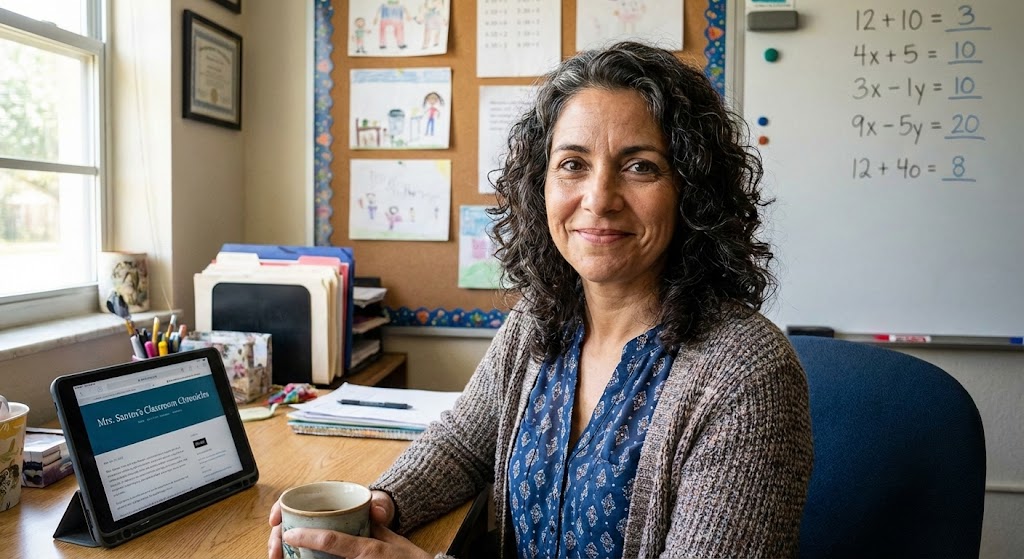
Maria Santos
Maria has been teaching 4th grade in Tampa, Florida for 22 years. Known as "the math whisperer" among her colleagues, she writes about the real challenges and victories of teaching in Florida's public schools.
When she's not grading papers or creating lesson plans, you can find Maria at her local teacher supply store (with coupons in hand) or sharing teaching tips over cafecito with her teacher friends.
View Full Profile →Related Articles
The One Transition Trick That Finally Stopped My Classroom Chaos
Classroom management tip: Last Tuesday, I watched a veteran teacher at my school lose ten full minut...
When Everyone's Brain is Already at the Beach (Including Yours)
Classroom management tip: Last Tuesday, I caught myself staring out the window during math, watching...
Ready to Improve Your FAST Scores?
Upload your class data and get personalized IXL success plans in seconds.
Try It Free