When Your Classroom Feels Like a Melting Pot (And Not Just Because of the Heat)
Last Tuesday, I watched little Sophia stare out the window for ten straight minutes, completely mesmerized by a butterfly. Meanwhile, Carlos Jr. was tapping his pencil like he was keeping time for a salsa band, and don't even get me started on what happened when I tried to introduce long division.
Sound familiar?
We're in that tricky time of year, mis amigas. The weather's getting gorgeous, FAST testing is behind us (thank goodness), and our kids are already mentally checked out for summer. But here's the thing - we still have weeks of learning left to do.
After 22 years in the classroom, I've learned that May isn't the time to throw in the towel. It's the time to get creative with our structure.
Why Structure Matters More Now Than Ever
I used to think that loosening up in the spring would make everyone happier. Boy, was I wrong. My second year teaching, I basically let my classroom turn into a free-for-all come April. The result? Chaos. Pure chaos.
Kids need structure, especially when everything else feels uncertain. Summer's coming, they're moving to fifth grade, and their little worlds are about to change. Our consistent routines become their anchor.
But here's the key - the structure needs to feel fresh, not stale.
The "Same But Different" Approach
This is my secret weapon, and it works like magic. Keep your core routines but switch up the delivery.
Take morning work, for example. We still do it every single day, but now it might be a scavenger hunt around the room instead of worksheets. Same learning objective, different package.
Reading time? Still happens, but maybe we're reading under desks with flashlights or outside under the oak tree (when maintenance isn't mowing, of course).
The kids get the stability they crave without the boredom that makes them stare at butterflies for ten minutes straight.
Making Data Work for You (Not Against You)
Now that we have our FAST scores back, I've been using them strategically to keep kids engaged. I discovered this tool called FastIXL that matches the scores to specific IXL skills, and it's been a game-changer for keeping my struggling readers motivated with targeted practice that actually feels doable.
The beauty is that kids see progress quickly when the work is matched to exactly where they are. Nothing fights spring fever like success.
Flexible Seating Gets Real
Forget Pinterest-perfect reading nooks. I'm talking about practical flexibility that works in a real classroom with real kids who spill real juice boxes.
I moved my kidney table to three different spots last week alone. Sometimes we need it by the window for natural light during small groups. Sometimes it's in the corner for quiet interventions. Sometimes it's in the middle of the room because that's where the energy is.
Yoga balls, standing desks made from stacked books, even letting kids lie on their bellies for independent work - it all helps when they're feeling restless.
The rule in my room is simple: you can work anywhere as long as you're actually working. It's amazing how much this small freedom helps.
The Power of Choice Within Structure
Here's what I learned the hard way - giving kids unlimited choices leads to chaos. But giving them no choices leads to rebellion.
The sweet spot? Structured choices.
"You need to practice your multiplication facts for fifteen minutes. You can use flashcards, the math games on the shelf, or create a practice quiz for a partner. Your choice."
Same learning goal, three different paths. Everyone wins.
Movement That Actually Serves Learning
Gone are the days when I did jumping jacks just to get their wiggles out. Now every movement activity has a purpose.
We act out story problems in math. We do gallery walks for peer editing. We have "math talks" where kids literally walk around the room discussing problem-solving strategies with different partners.
The movement serves the learning, not the other way around. And honestly? It keeps me energized too.
When to Hold Firm and When to Bend
This is the art of teaching, isn't it? Knowing when to stick to your guns and when to go with the flow.
Non-negotiables in my room: respect for others, safety, and effort. Everything else? We can talk about it.
Last week, my kids begged to present their research projects outside. My first instinct was no - too many distractions, too hard to manage. But then I thought about it. They'd worked hard, the weather was perfect, and honestly, I was feeling cooped up too.
So we did it. And you know what? Those presentations were some of the best I've seen all year.
The Reality Check We All Need
Let's be honest - some days are just going to be rough. The air conditioning breaks, half your class is at a field trip you forgot about, and you're running on coffee and determination.
That's okay. That's normal. That's teaching in Florida in May.
The goal isn't perfection. It's connection and growth, even when it's messy.
Small Changes, Big Impact
You don't need to overhaul your entire classroom management system. Sometimes the smallest tweaks make the biggest difference.
Try switching up your dismissal routine. Let kids choose their own partners for one activity. Move story time to a different spot. Play soft music during independent work.
These tiny changes signal to kids that you're paying attention to their needs while maintaining the structure they depend on.
Looking Ahead
We're in the home stretch, pero we're not done yet. Our kids need us to stay present, stay flexible, and keep believing in what's possible.
Yes, they're thinking about summer. Yes, you're probably thinking about it too (I know I am). But right now, in this moment, we have the chance to end strong.
Your classroom structure doesn't have to be rigid to be effective. It just has to be intentional.
What's one small change you could make tomorrow to help your restless students feel more engaged? Trust me, they're counting on you to figure it out. And after 22 years, I know you will.
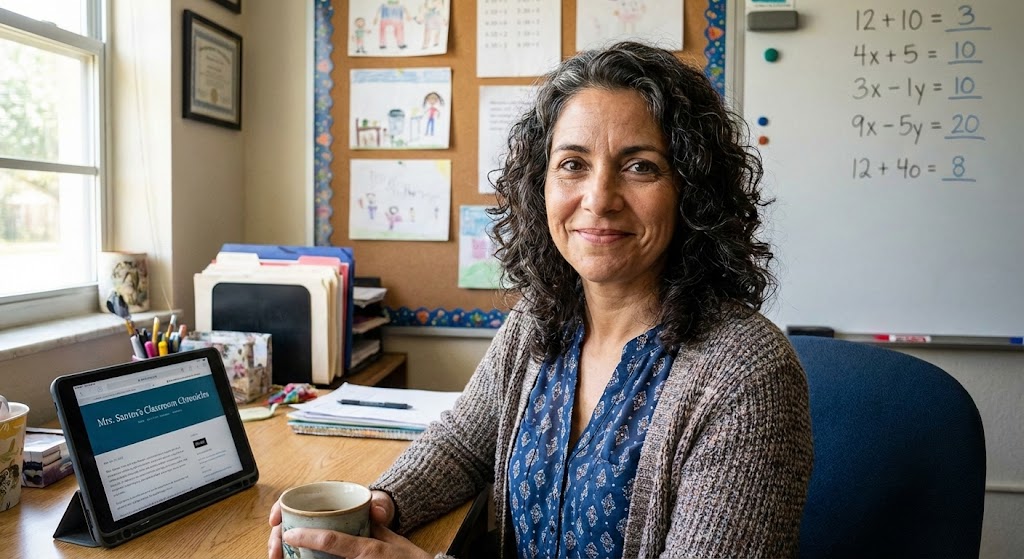
Maria Santos
Maria has been teaching 4th grade in Tampa, Florida for 22 years. Known as "the math whisperer" among her colleagues, she writes about the real challenges and victories of teaching in Florida's public schools.
When she's not grading papers or creating lesson plans, you can find Maria at her local teacher supply store (with coupons in hand) or sharing teaching tips over cafecito with her teacher friends.
View Full Profile →Related Articles
The One Transition Trick That Finally Stopped My Classroom Chaos
Classroom management tip: Last Tuesday, I watched a veteran teacher at my school lose ten full minut...
When Everyone's Brain is Already at the Beach (Including Yours)
Classroom management tip: Last Tuesday, I caught myself staring out the window during math, watching...
Ready to Improve Your FAST Scores?
Upload your class data and get personalized IXL success plans in seconds.
Try It Free