When the Walls Start Melting and Everyone's Brain is Already at the Beach
Last Tuesday, I walked into my classroom to find Tommy sprawled across his desk like a deflated balloon, staring at the ceiling fan. "Mrs. Santos," he said without moving, "why do we still have to do math when it's almost summer?"
Ay, mija. If that isn't the question of every May in Florida.
Here we are, still weeks away from the last day, and everyone's acting like school ended yesterday. The kids are restless, the AC is working overtime, and I swear the walls are starting to melt. But here's what I've learned after 22 years of surviving Florida springs: structure doesn't disappear when the temperature hits 90. It just needs to get a little more creative.
The May Meltdown is Real
Let's be honest about what we're dealing with. By May, our students have been in school for eight months. They've survived FAST testing, countless assessments, and more standards than any human should reasonably remember. Their brains are tired, their bodies are growing, and that Florida sun is calling their names every single day.
But we still have curriculum to cover. We still have those end-of-year goals to meet. And somehow, we need to keep 25+ kids focused when all they want to do is think about summer camp and sleeping in.
I used to fight this. I'd dig in my heels, raise my voice, and wonder why my perfectly good classroom management had suddenly stopped working. Then I realized something: I wasn't working with the season, I was working against it.
Structure That Bends Without Breaking
The key isn't throwing structure out the window. It's making structure work for May instead of against it.
Shorter bursts, more movement. Remember when we could do 45-minute math blocks without anyone complaining? Those days are gone, at least until September. Now I break everything into 15-20 minute chunks with movement breaks in between. We might do a quick math warm-up, then stand and stretch, then dive into the main lesson, then do a partner walk-and-talk about what we learned.
Routine with flexibility. My morning routine stays exactly the same because kids need that anchor. But after that? I'm ready to pivot. If I planned independent work and everyone's too antsy, we're doing it as a gallery walk instead. If I scheduled a worksheet and the energy is dragging, we're turning it into a game.
Clear expectations, creative delivery. The standards don't change, but how we get there can. Last week, we practiced multiplication facts with sidewalk chalk in the courtyard. Same math, different setting. Everyone stayed engaged because it felt special, but we still got the work done.
The Power of Countdown Calendars
Here's something I wish I'd figured out years ago: kids need to see the finish line.
I put up a countdown calendar in March, and every day we cross off another square. But here's the twist – each square has something to look forward to. "Field Day," "Pizza Party," "Read Outside Day," "Talent Show Practice."
It gives them something concrete to hold onto when the days feel endless. And honestly? It helps me too. When I'm feeling overwhelmed by everything we still need to accomplish, I can see exactly how many days we have left to make it happen.
Making the Ordinary Feel Special
You know what's funny? Kids don't need huge, elaborate activities to get excited. They just need things to feel a little different from the regular routine.
We've started doing "Mystery Math" on Fridays, where I cover up the problem and reveal it piece by piece. Same math concepts we've been working on all year, but the presentation makes it feel like an event.
"Author's Chair" became "Author's Spotlight," where kids sit in my teacher chair with a little desk lamp shining on them while they share their writing. Cost me nothing, but you'd think I'd given them a million dollars.
"Silent reading" turned into "Reading Café," where kids can sit on the floor with pillows and I play quiet jazz music. Same books, same time limit, completely different energy.
When Everything Falls Apart (And It Will)
Let me tell you about the day two weeks ago when my carefully planned lesson crashed and burned before 9 AM.
The projector died, three kids forgot their homework, and someone threw up right outside our classroom door. By the time maintenance cleaned it up and I found a backup plan for my technology-dependent lesson, half my morning was gone and everyone was completely off-kilter.
Old me would have panicked and tried to cram everything into the remaining time. New me took a deep breath and said, "You know what? Today we're doing something different."
We spent 20 minutes on the carpet talking about what makes a good friend. Then we wrote thank-you notes to the custodial staff. After that, we did some gentle math practice with manipulatives while listening to soft music.
Was it my planned curriculum? Nope. Did we learn important things and end the day feeling good about each other? Absolutely.
The Secret Weapon: Student Voice
Here's what really saved my sanity this year: I started asking my kids what they needed.
"I can see everyone's having a hard time focusing today. Should we take a brain break, or would you rather power through and earn extra recess?"
"We have these three activities to get through. What order makes the most sense to you?"
"I notice the energy is really low. What would help us wake up our brains?"
Most of the time, they make smart choices. And even when they don't, they're more invested because they had a say in the decision.
Remember Why We're Here
In the middle of all this end-of-year chaos, it's easy to forget that we're not just delivering curriculum. We're building relationships. We're creating positive memories of learning. We're showing kids that school can be a place where they feel heard, supported, and valued.
Some of my former students are in high school now, and you know what they remember? Not the specific math lessons or the reading passages. They remember feeling safe in my classroom. They remember laughing while we learned. They remember that I saw them as whole people, not just test scores.
You've Got This
We're in the home stretch now, and I know you're tired. I know your patience is wearing thin and your to-do list feels impossible. But look what you've already accomplished this year. Look how much your kids have grown, not just academically but as little humans.
These last few weeks don't have to be perfect. They just have to be filled with care, flexibility, and the understanding that sometimes the best learning happens when we let go of our rigid plans and meet our students where they are.
Stay strong, stay flexible, and remember: summer break is coming for us too.
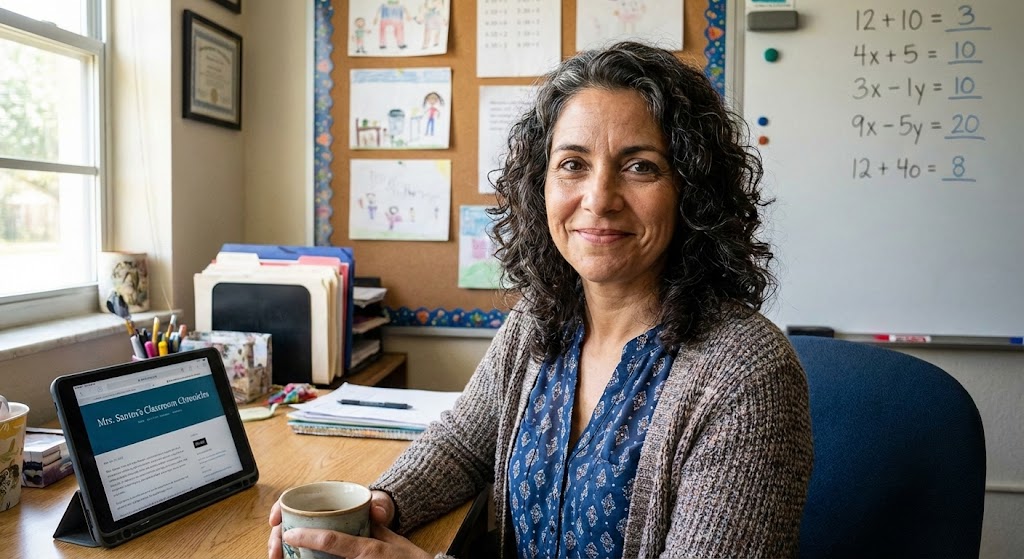
Maria Santos
Maria has been teaching 4th grade in Tampa, Florida for 22 years. Known as "the math whisperer" among her colleagues, she writes about the real challenges and victories of teaching in Florida's public schools.
When she's not grading papers or creating lesson plans, you can find Maria at her local teacher supply store (with coupons in hand) or sharing teaching tips over cafecito with her teacher friends.
View Full Profile →Related Articles
The One Transition Trick That Finally Stopped My Classroom Chaos
Classroom management tip: Last Tuesday, I watched a veteran teacher at my school lose ten full minut...
When Everyone's Brain is Already at the Beach (Including Yours)
Classroom management tip: Last Tuesday, I caught myself staring out the window during math, watching...
Ready to Improve Your FAST Scores?
Upload your class data and get personalized IXL success plans in seconds.
Try It Free