When Your Classroom Feels Like a Sauna and Your Students Act Like It's Already June
Last Tuesday, I watched little Emma dramatically fan herself with her math worksheet while announcing to the entire class that it was "too hot to think about fractions." Mind you, our AC was working perfectly fine. But you know what? She wasn't wrong about one thing. That end-of-year energy was thick in the air, and my usual classroom management tricks were melting faster than ice cream on a Tampa sidewalk.
We're in that tricky time of year, aren't we? The kids can smell summer vacation like sharks smell blood in the water. The excitement is palpable, the attention spans are shrinking, and honestly, we teachers are feeling it too. But here's the thing I've learned after 22 years in this beautiful chaos we call education: structure doesn't have to be the enemy of fun, and maintaining it now will save your sanity later.
Why Structure Matters More Than Ever Right Now
I used to think that loosening up as we approached summer was being "nice" to my students. Ay, dios mio, was I wrong. My first few years teaching, I'd practically give up on routines come May. The result? Complete pandemonium that made those final weeks feel like the longest month of my life.
Here's what I know now: kids crave structure, especially when everything else feels uncertain. Summer break represents a huge change, and for many of our students, school provides the most consistent part of their day. When we abandon our routines, we're actually adding to their stress, not reducing it.
Think about it. For students like my Marcus at home, summer means sleeping in and video games. But for students like Jayden in my class, whose mom works three jobs, school structure might be the safest, most predictable part of his world.
The Magic of Modified Routines
Now, I'm not saying we need to run our classrooms like military boot camps until the very last day. What works is adapting our structure, not abandoning it.
Take our morning routine. We still do our daily warm-up, but now it might be "What's your dream summer adventure?" instead of a traditional math problem. The structure stays, but the content gets a summer twist.
Our classroom jobs continue, but I add special "summer prep" roles. Someone becomes our "Memory Keeper" who helps document fun moments. Another student is our "Countdown Manager" who updates our days-left calendar. Same accountability, fresh purpose.
Creating Anticipation Without Chaos
One mistake I made early in my career was treating the approaching summer like it was top secret. The kids know it's coming, we know it's coming, so why not use that excitement as fuel instead of fighting it?
I create what I call "structured anticipation." We have a countdown calendar, pero it's not just marking off days. Each day features a small celebration of our learning journey. "Remember when we struggled with long division in October? Look at you now!"
We also start "summer bridge" activities that connect what we've learned to summer experiences. When we review measurement, we talk about planning garden spaces. During our writing review, we craft letters to next year's students.
The Power of Reflection Rituals
This time of year is perfect for establishing reflection routines that help students process their growth. I start each day with "Then and Now" moments where students compare their current abilities to where they started.
"Miguel, remember in September when you said you hated reading? Tell us about the book you couldn't put down last week."
These moments serve double duty. They reinforce learning while giving students language to talk about their progress. Plus, they remind everyone (including me on tough days) why we do this work.
Practical Strategies That Actually Work
Morning Meetings with a Twist: Keep your circle time, but focus on summer goals, gratitude for the year, or sharing favorite memories. The routine stays, the content evolves.
Modified Centers: If you use learning stations, create "summer readiness" centers. One might focus on real-world math (planning a budget for summer activities), another on writing postcards to family members.
Flexible Seating with Boundaries: Let them sit on the floor for story time or work at standing desks, but maintain clear expectations about when and how transitions happen.
Choice Within Structure: Offer options for how they complete assignments, but keep deadlines and quality expectations clear. "You can show me you understand fractions through a poster, a song, or a comic strip, but it's due Thursday at 2 PM."
When Everything Falls Apart (And It Will)
Let's be real. Some days, despite our best efforts, everything goes sideways. Last week, a surprise fire drill during our math test created such chaos that I seriously considered early retirement.
On those days, I go back to basics. We practice our routines slowly. We talk about why structure helps everyone feel safe. And sometimes, I just acknowledge the elephant in the room: "I know you're excited about summer. I am too. But we still have important work to do together."
Remember Your Why
Here's what keeps me grounded during these final weeks: our students need us to finish strong. They need to see that commitments matter, that learning continues even when motivation wavers, and that caring adults don't give up on them.
Yes, it's tempting to coast. Carlos keeps asking why I'm still planning lessons when "school's basically over." But school isn't over until it's over, and every day matters.
You've Got This
I know you're tired. I know the thought of summer break is calling your name louder than a student who "really, really, really" needs to use the bathroom right after you've explained they should have gone at lunch.
But you've made it this far. You've navigated state testing, parent conferences, and probably at least three different classroom crises I can't even imagine. You can maintain structure for a few more weeks.
Your students are watching how you finish. Show them that consistency matters, that learning never stops, and that good things come to those who see commitments through to the end.
We're in the home stretch, teachers. Let's finish strong together.
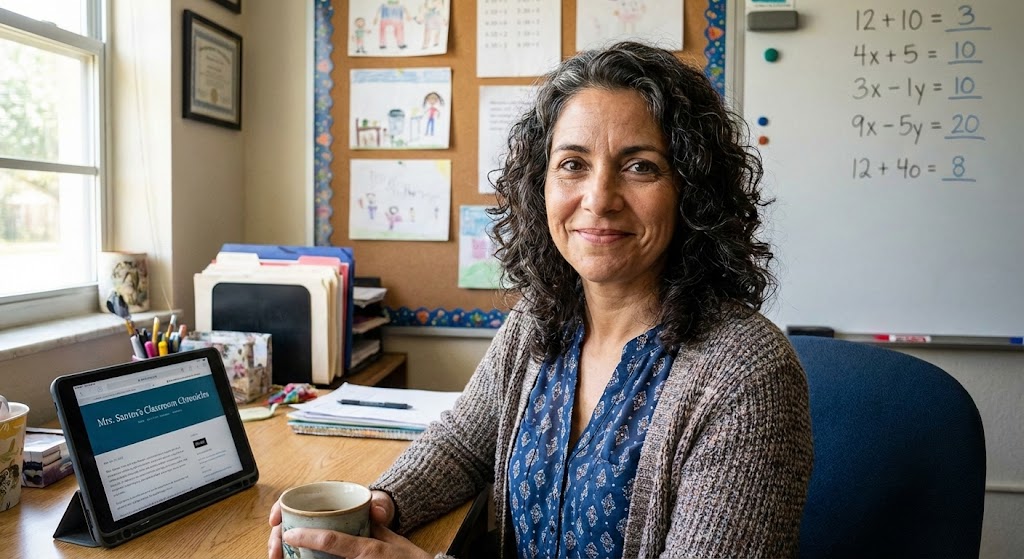
Maria Santos
Maria has been teaching 4th grade in Tampa, Florida for 22 years. Known as "the math whisperer" among her colleagues, she writes about the real challenges and victories of teaching in Florida's public schools.
When she's not grading papers or creating lesson plans, you can find Maria at her local teacher supply store (with coupons in hand) or sharing teaching tips over cafecito with her teacher friends.
View Full Profile →Related Articles
The One Transition Trick That Finally Stopped My Classroom Chaos
Classroom management tip: Last Tuesday, I watched a veteran teacher at my school lose ten full minut...
When Everyone's Brain is Already at the Beach (Including Yours)
Classroom management tip: Last Tuesday, I caught myself staring out the window during math, watching...
Ready to Improve Your FAST Scores?
Upload your class data and get personalized IXL success plans in seconds.
Try It Free