When May Hits and Everyone (Including You) Has Checked Out
Last Tuesday, I walked into my classroom to find three kids sprawled on the reading carpet like they were at the beach, one student fanning herself with her math workbook, and little Sofia asking me for the fourth time that morning if we could "please just watch movies until summer starts."
Y'all, I felt it too. That pull toward the lazy days ahead, the mental exhaustion that comes with surviving another Florida school year, and the overwhelming urge to join Sofia in her movie marathon request.
But here's what I've learned in my 22 years of teaching: the last month of school doesn't have to be survival mode. With a few tweaks to our approach, we can keep our sanity AND our structure, even when everyone's brain has already moved to vacation mode.
Acknowledge the Elephant in the Room
First things first. Stop pretending like you and your students aren't thinking about summer.
I used to fight this feeling, acting like nothing had changed even though the weather was getting hotter and everyone was getting antsy. Big mistake. The kids could sense my fake enthusiasm from a mile away, and it made everything feel forced.
Now? I lean into it. On Monday morning, I tell my class exactly what we're all thinking: "I know we're all ready for summer break. I'm thinking about sleeping in and reading by the pool too. But we still have important work to do together, so let's figure out how to make these last weeks count."
This honesty creates partnership instead of resistance. We're all in this together, and acknowledging that makes everything easier.
Create Countdowns That Build Excitement
Kids need something to look forward to, pero they also need structure. I've found that countdowns work magic when done right.
Instead of just marking off days until summer (which makes everyone more anxious to be done), I create countdowns to special events we're planning. "Only 8 more days until our classroom Olympics!" or "5 more days until our poetry café!"
These mini-celebrations give us natural momentum and keep kids engaged because they're working toward something fun that's still educational.
Last year, I had my students help me plan our "countdown celebrations." They came up with ideas like Fraction Pizza Day, where we ordered pizza and practiced fractions while we ate, and Biography Dress-Up Day, where everyone came as a historical figure we'd studied.
Adjust Your Expectations (But Don't Abandon Them)
Here's where I made huge mistakes early in my career. I thought I had two choices: maintain the exact same rigid structure from September, or completely give up and let chaos reign.
There's a beautiful middle ground, and finding it has saved my sanity.
I still expect my students to follow classroom rules and complete their work. But I adjust HOW we do things. Math lessons might happen outside under the covered walkway. Reading time might include more partner reading and fewer independent assignments. Science experiments get a little messier, and I'm okay with that.
The key is communicating these adjustments clearly. I tell my students, "We're still learning and growing, but we're going to do it in some new ways these last few weeks."
Use the Weather to Your Advantage
Living in Florida means we're dealing with serious heat and afternoon thunderstorms by May. Instead of fighting it, I plan around it.
Morning activities are more energetic since everyone's still relatively fresh. After lunch, when the heat is making everyone sluggish, we do quieter activities. When those afternoon storms roll in, it's perfect timing for cozy reading or reflective writing.
I also use the weather as a natural classroom management tool. "If we can get through this math lesson focused and ready, we'll spend the last 15 minutes of class outside before it gets too hot."
Build in More Movement and Choice
Sitting still gets harder when summer is calling. Instead of constantly redirecting restless energy, I channel it.
I add more movement to lessons. Math problems become scavenger hunts around the classroom. Vocabulary words turn into charades. Story problems involve actual walking and measuring.
I also give students more choices about where and how they work. Some days, half my class is sprawled on the floor with clipboards, and you know what? Their work quality hasn't suffered at all.
Keep the Learning Real and Relevant
This is crucial: don't fill these last weeks with busy work. Kids can smell meaningless worksheets from a mile away, and they'll check out faster than you can say "summer vacation."
Instead, I focus on projects and activities that feel authentic. We write letters to next year's 4th graders. We create math games for the younger classes. We research our dream summer vacation destinations and calculate costs, distances, and time zones.
These activities still meet our standards, but they feel purposeful and engaging instead of like we're just killing time.
Take Care of Yourself Too
Mija, you can't pour from an empty cup, and May is when our cups are running pretty low.
I've learned to adjust my own expectations too. I don't stay as late planning elaborate lessons. I order pizza for dinner more often. I say no to extra commitments that aren't absolutely necessary.
Carlos always reminds me that I'm no good to my students if I'm completely burned out, and he's right. Taking care of myself isn't selfish during these last weeks, it's essential.
Create Closure Rituals
One thing that's helped tremendously is building in regular closure activities. We don't just rush toward the finish line; we pause to reflect on how far we've come.
Every Friday, we do a "week in review" where students share one thing they learned and one thing they're proud of. We keep a running list of all the amazing things we've accomplished this year, and by the time June arrives, that list is impressively long.
These moments remind all of us that we're still doing important work, even when it feels like we're just trying to make it to summer.
The truth is, these last weeks of school can actually be some of the most meaningful if we approach them with intention instead of just trying to survive them. Yes, everyone's thinking about summer. Yes, the energy is different. But that doesn't mean the learning has to stop.
We just have to be smart about how we channel that end-of-year energy into something productive and joyful.
What strategies have worked for you during these final weeks? I'd love to hear how you keep things together when summer fever hits your classroom too.
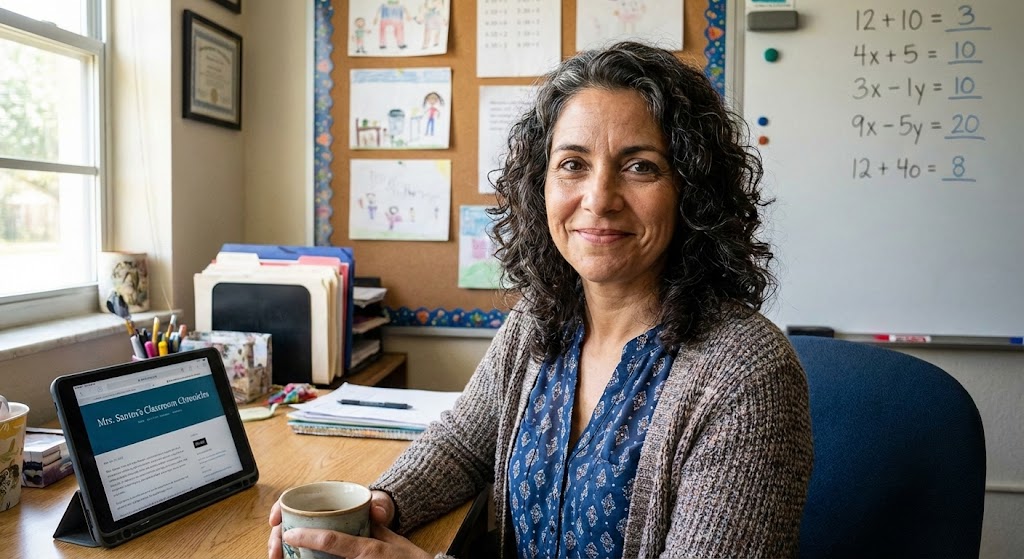
Maria Santos
Maria has been teaching 4th grade in Tampa, Florida for 22 years. Known as "the math whisperer" among her colleagues, she writes about the real challenges and victories of teaching in Florida's public schools.
When she's not grading papers or creating lesson plans, you can find Maria at her local teacher supply store (with coupons in hand) or sharing teaching tips over cafecito with her teacher friends.
View Full Profile →Related Articles
The One Transition Trick That Finally Stopped My Classroom Chaos
Classroom management tip: Last Tuesday, I watched a veteran teacher at my school lose ten full minut...
When Everyone's Brain is Already at the Beach (Including Yours)
Classroom management tip: Last Tuesday, I caught myself staring out the window during math, watching...
Ready to Improve Your FAST Scores?
Upload your class data and get personalized IXL success plans in seconds.
Try It Free