When Your Classroom Feels Like a Sauna: Surviving Florida's Heat Wave Days
Last Tuesday, I walked into my classroom at 7:15 AM and immediately knew it was going to be one of those days. The air felt thick enough to swim through, and I could practically see the humidity hanging in the corners. Our ancient AC unit was making that grinding noise again, the one that sounds like it's begging for mercy.
By 9 AM, little Sofia had her head down on her desk, Marcus was fanning himself with his math journal, and I was seriously considering whether we could hold class in the cafeteria freezer.
The Reality of Florida Classrooms
Let's be honest, fellow Florida teachers. We all know that feeling when you're trying to teach fractions while sweat is literally dripping down your back. Your students are cranky, you're cranky, and that one kid who's always hot anyway looks like he might actually combust.
I've been teaching in Florida for 22 years, and I've learned that fighting the heat is like fighting the tide. You're not going to win, so you better learn to work with it.
Quick Fixes for the Immediate Crisis
When the temperature hits that magical point where learning becomes impossible, here's what I do:
Move closer to any working vents. I've rearranged my entire classroom layout in the middle of a lesson before. The kids think it's an adventure, and honestly, sometimes we need a little chaos to break up the misery.
Ice water becomes your best friend. I keep a cooler in my classroom during the worst months. Not just for me, but for any student who needs it. Dehydrated kids can't learn, period.
Embrace the floor. Hot air rises, so we've had many successful lessons sitting on the linoleum. My back doesn't love it, but my students do, and sometimes that's what matters.
Adjusting Your Teaching Game
Here's what I learned the hard way: you cannot teach the same way when it's 95 degrees as you do when it's 75. Your lesson plans need to be as flexible as you are.
Shorter activities, more transitions. When kids are uncomfortable, their attention spans shrink faster than ice cubes in August. I break everything into 10-minute chunks max.
Brain breaks become cooling breaks. We do more stretching, more movement to areas of the room that might catch a breeze. Sometimes we just stand by the windows (if they're not making it worse) and take deep breaths.
Lower the energy when you can't lower the temperature. This isn't the day for high-energy group work. It's the day for calm, quiet activities that don't require kids to think too hard or move too much.
The Art of Strategic Timing
I've become a master at reading the room temperature, literally. There are certain times of day when our classroom is more bearable than others.
Morning math, afternoon reading. I save the heavy thinking for when it's coolest, usually first thing in the morning. By afternoon, we're doing read-alouds, independent reading, or art projects.
Outdoor learning isn't always the answer. I know it sounds counterintuitive, but sometimes it's actually cooler inside than out. Plus, you have to factor in the humidity and the fact that 25 fourth-graders will wilt like flowers if you keep them outside too long.
Keeping Everyone Hydrated and Happy
This is where I channel my inner mama bear. I've learned to spot the signs of overheating before they become problems.
Water bottle checks. I make it a routine to remind kids to drink water, not just when they ask. Some kids won't speak up even when they're really uncomfortable.
Cool cloths in the nurse's office. I've built a relationship with our school nurse, and she knows that on the really bad days, I might send a student down for a cool cloth and a few minutes in her (thankfully well-air-conditioned) office.
Adjust your expectations. This is the hardest part for those of us who are natural overachievers. Some days, survival is success. If everyone makes it through the day without heat exhaustion, you've won.
Making It Work for Everyone
The thing about extreme heat is that it affects every single person differently. Little Emma might be perfectly fine while big Jake is struggling to stay awake.
Create cooling stations. I designate certain areas of the room as "cooling zones" where kids can go if they need a break. Sometimes it's just psychological, but psychology matters.
Flexible dress codes. I don't enforce every single uniform rule when it's blazing hot. If a kid needs to roll up their sleeves or take off their sweater, I'm not going to be the uniform police.
Parent communication. I send a quick note home on the really bad days, just so parents know what we dealt with and can maybe send extra water or plan for a tired kid at pickup.
Finding the Silver Lining
Believe it or not, some of my most memorable teaching moments have happened on the hottest days. There's something about shared misery that brings people together.
We've had impromptu lessons about weather and climate. We've talked about how people in different parts of the world deal with extreme temperatures. We've practiced problem-solving when our original plans had to change.
And honestly? My students remember these days. Years later, they'll come back and say, "Remember that time it was so hot we had to do math on the floor?"
When to Call for Backup
Sometimes you need to know when to wave the white flag. If multiple students are showing signs of heat exhaustion, if you can't think straight, or if the temperature in your room is genuinely dangerous, it's time to get help.
Don't be afraid to contact your administration. Most principals would rather deal with moving classes around than with a room full of overheated kids and teachers.
The Long Game
While we're dealing with the immediate crisis, we also need to think ahead. I've learned to prep for these days before they happen.
Keep extra supplies ready. Have backup lesson plans that work in extreme heat. Build relationships with other teachers who might have better AC so you can share spaces if needed.
And remember, this too shall pass. Even in Florida, the heat waves eventually break, the AC gets fixed, and we go back to complaining about other things.
Stay cool out there, teachers. We've got this, even when the thermostat says we don't.
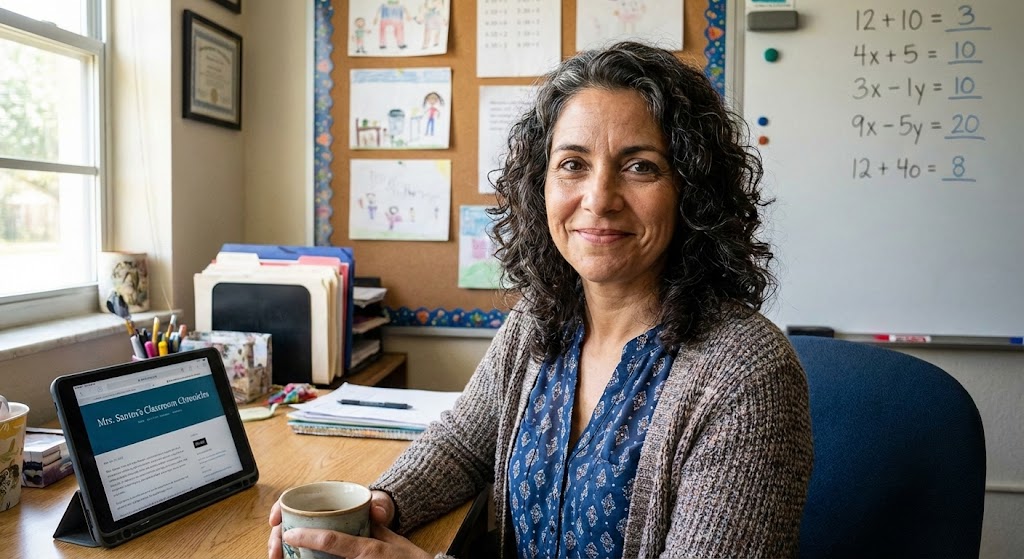
Maria Santos
Maria has been teaching 4th grade in Tampa, Florida for 22 years. Known as "the math whisperer" among her colleagues, she writes about the real challenges and victories of teaching in Florida's public schools.
When she's not grading papers or creating lesson plans, you can find Maria at her local teacher supply store (with coupons in hand) or sharing teaching tips over cafecito with her teacher friends.
View Full Profile →Related Articles
Hurricane Days Are Coming: What Every Florida Teacher Needs to Do Before and After the Storm
Florida teacher tip: I still think about Hurricane Irma. It was 2017, and I had just finished settin...
Dear First-Year Florida Teacher, Nobody Warned You About This
Florida teacher tip: I remember standing in my classroom in late August, sweating through my cardiga...
Ready to Improve Your FAST Scores?
Upload your class data and get personalized IXL success plans in seconds.
Try It Free